
In a stunning development that has sent shockwaves through global energy markets and international politics, President Donald Trump announced on January 6, 2026, that Venezuela’s interim authorities have agreed to “turn over” between 30 and 50 million barrels of high-quality, previously sanctioned crude oil to the United States. The announcement, made via Trump’s Truth Social platform, comes just days after a daring U.S. military operation that resulted in the capture and removal of longtime Venezuelan leader Nicolás Maduro.
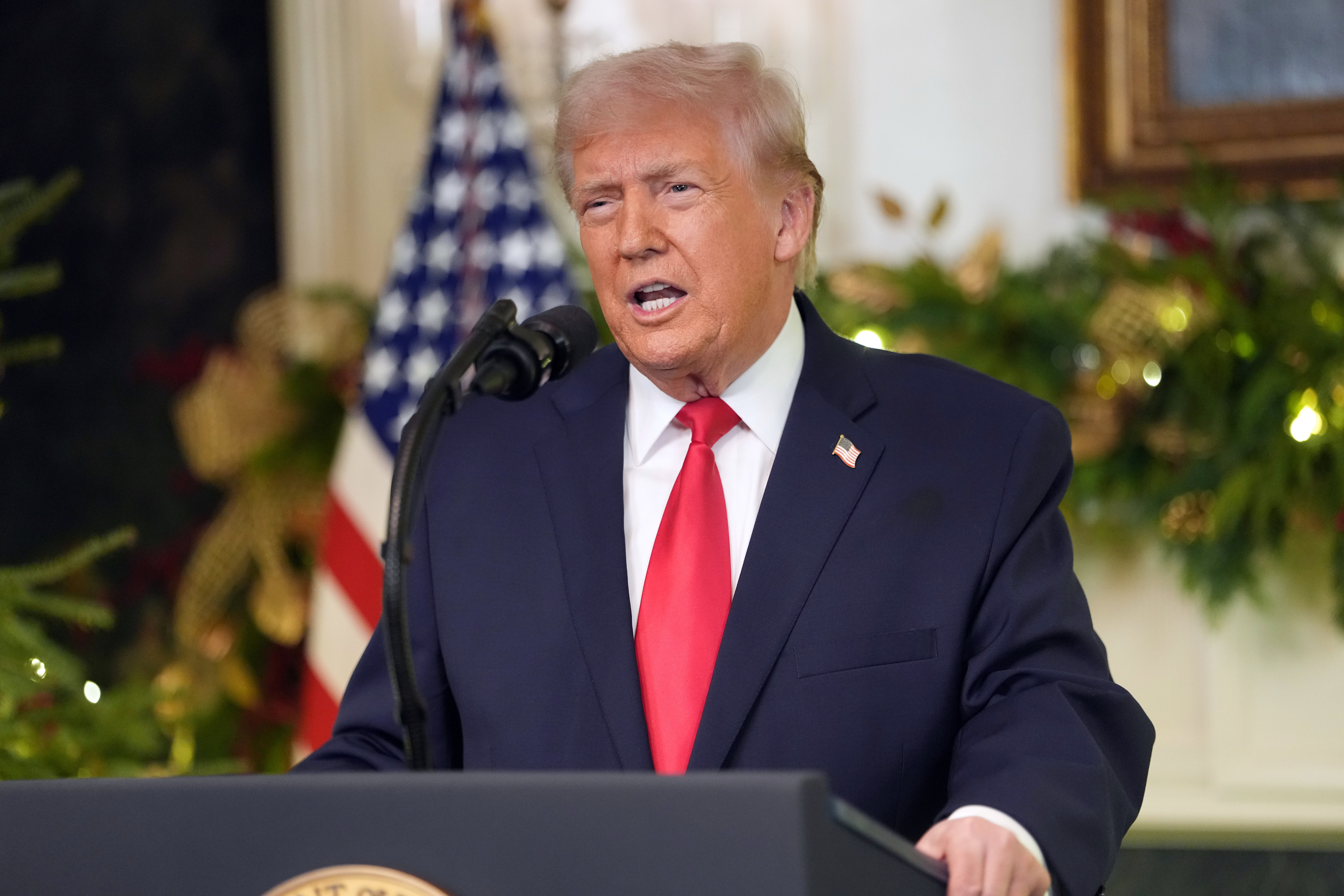

President Trump, in his characteristic all-caps style, declared: “I am pleased to announce that the Interim Authorities in Venezuela will be turning over between 30 and 50 MILLION Barrels of High Quality, Sanctioned Oil, to the United States of America. This Oil will be sold at its Market Price, and that money will be controlled by me, as President of the United States of America, to ensure it is used to benefit the people of Venezuela and the United States!”
The deal, valued at an estimated $1.65 billion to $2.75 billion based on current Brent crude prices hovering around $55-60 per barrel, represents one of the most direct economic windfalls from the recent U.S. intervention in Venezuela. Energy Secretary Chris Wright has been tasked with immediate execution, with the oil—much of it stranded in onshore storage tanks and sanctioned tankers—to be transported via storage ships directly to U.S. Gulf Coast unloading docks.
Background: From Crisis to Capture
The roots of this dramatic shift trace back to Venezuela’s prolonged political and economic turmoil. Nicolás Maduro, who assumed power after Hugo Chávez’s death in 2013, faced widespread accusations of authoritarianism, election fraud, and economic mismanagement. Venezuela, once Latin America’s wealthiest nation thanks to its vast oil reserves—the largest proven reserves in the world at over 300 billion barrels—saw production plummet from over 3 million barrels per day in the early 2000s to around 1 million today due to sanctions, corruption, and infrastructure decay.
The tipping point came after the disputed July 2024 presidential election. Opposition candidate Edmundo González Urrutia, backed by popular leader María Corina Machado, claimed victory with independent tallies showing a landslide win. Maduro, however, declared himself re-elected, prompting international condemnation and heightened U.S. pressure under the Trump administration.
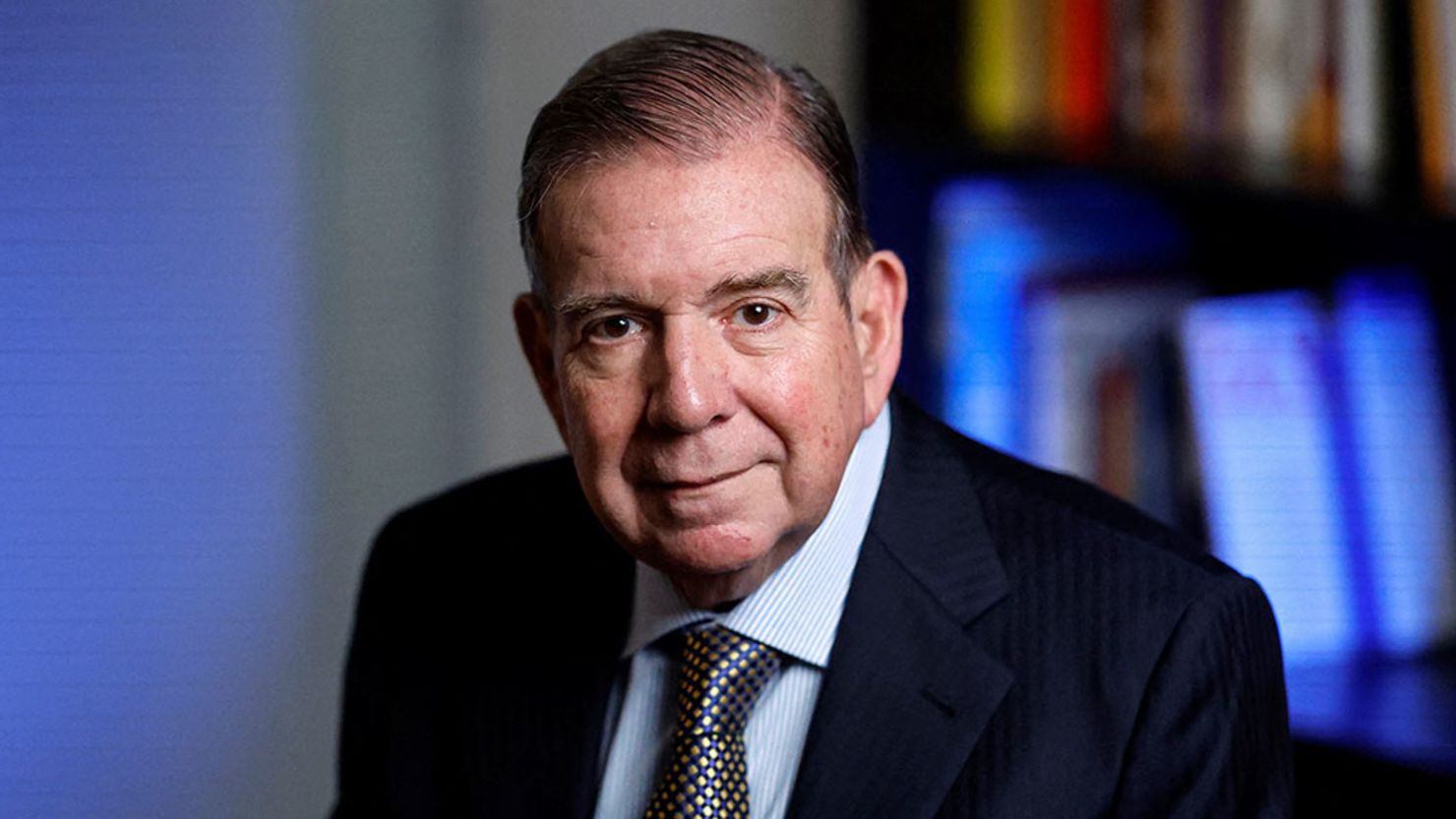
Edmundo González says he won Venezuela’s presidential election …
On January 3, 2026, U.S. special forces launched a predawn raid on Caracas, capturing Maduro and his wife, Cilia Flores. They were swiftly transported to New York, where they face federal charges related to narco-terrorism and drug trafficking conspiracies. Trump justified the operation as necessary to combat drug flows, migration, and threats from foreign adversaries like China, Russia, Iran, and Cuba, which had deepened ties with Maduro’s regime.
In the aftermath, Vice President Delcy Rodríguez emerged as interim leader. Initially defiant, decrying U.S. “aggression,” Rodríguez has since signaled openness to dialogue, aligning with Trump’s demands to sever ties with adversarial nations and grant U.S. companies exclusive access to Venezuela’s oil sector.
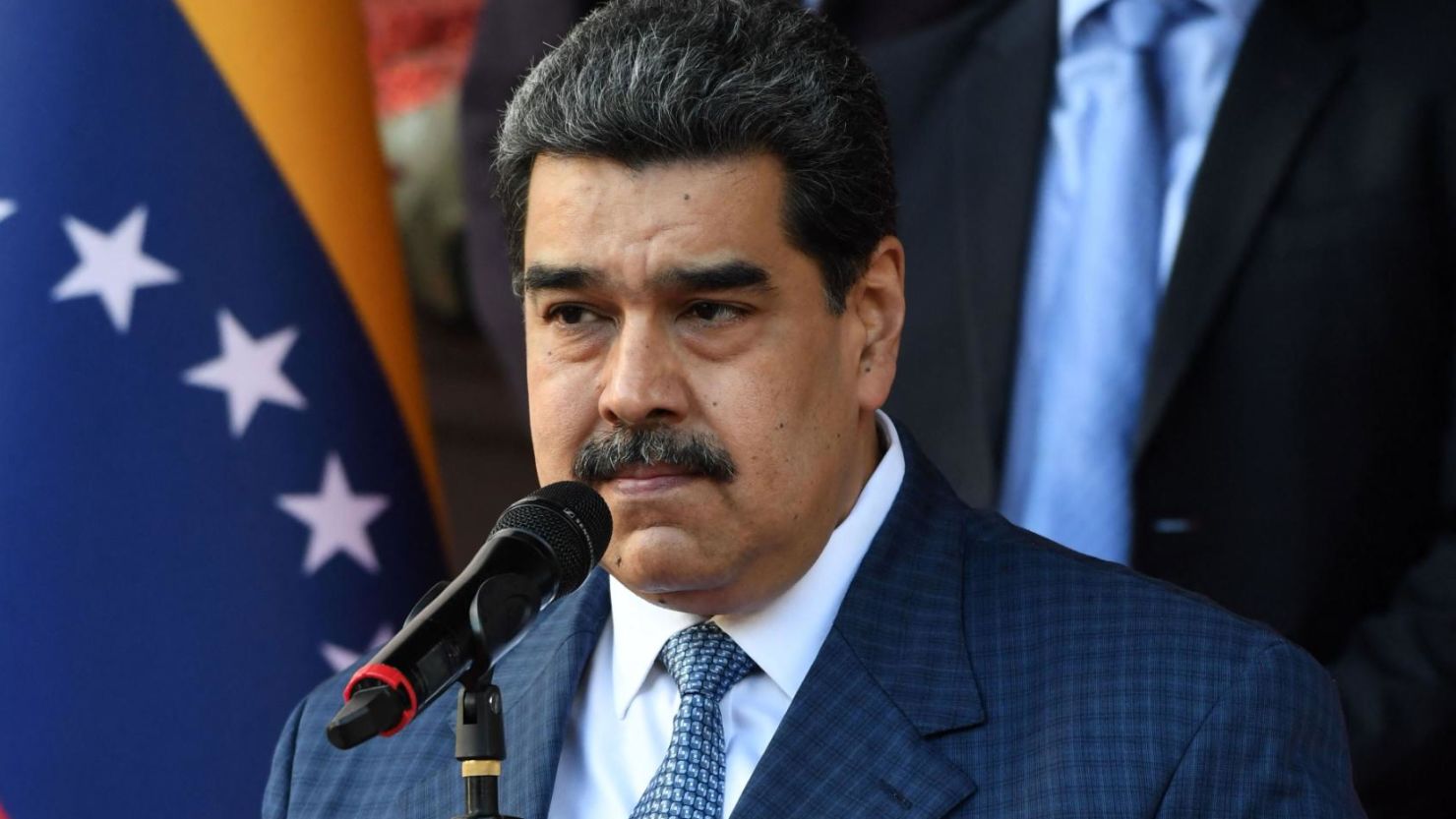
Nicolás Maduro Fast Facts | CNN
Notably, the Trump administration has sidelined opposition figures like González and Machado, opting to work with Rodríguez—a former Maduro ally—for stability. Critics argue this perpetuates elements of the old regime, while supporters praise it as pragmatic realpolitik.
The Oil Deal: Details and Implications
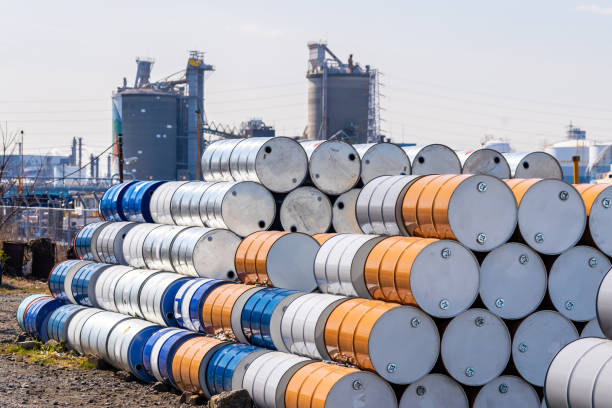
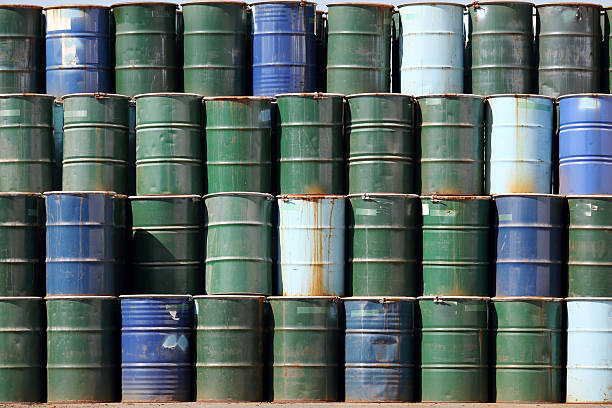
The 30-50 million barrels in question are primarily from Venezuela’s state-owned PDVSA storage facilities (estimated capacity near 48 million barrels) and seized tankers blockaded under recent U.S. sanctions. This “sanctioned” heavy crude, ideal for U.S. Gulf refineries, has been unable to reach markets, contributing to global oversupply pressures.
Trump has outlined that proceeds from sales—potentially up to $3 billion—will be controlled by the U.S. to “benefit the people of both nations.” Additional announcements indicate Venezuela will use future oil revenues exclusively to purchase American-made goods, boosting U.S. exports. Major oil firms like Chevron, Exxon Mobil, and ConocoPhillips are slated for White House meetings to discuss billions in investments to revive production.


Market reaction was swift: U.S. crude futures dipped over 1% post-announcement, reflecting increased supply amid already low prices—the steepest annual decline since the COVID era. Analysts predict this could pressure competitors like Canada and Mexico, whose heavy crude exports to the U.S. might face stiffer competition.
Geopolitically, the deal strikes at China (Venezuela’s top buyer) and Russia, with the U.S. seizing related tankers and demanding Caracas expel their influence. Secretary of State Marco Rubio has emphasized “maximum leverage,” warning of insolvency risks without compliance.
Global Reactions and Controversies
International responses are polarized. Allies like Israel and some Latin American nations have quietly supported the move, viewing it as curbing adversarial influence. China and Russia condemned it as “bullying” and imperialism, with Beijing criticizing tanker seizures.
Domestically, the operation enjoys mixed approval—around 48% per recent polls—with debates over legality, costs, and motives. Democrats question congressional notification, while Trump dismisses comparisons to past interventions, insisting Venezuela’s oil was “stolen” from U.S. companies through nationalization decades ago.
Legal experts debate the transfer’s mechanics: Is it reparations, seizure, or voluntary agreement? PDVSA has disputed any formal deal, though interim authorities appear cooperative.
Long-term, reviving Venezuela’s output could take years and tens of billions, per experts. Trump envisions rapid boosts, potentially driving U.S. pump prices lower, but hurdles like dilapidated infrastructure and political instability loom.
What’s Next for Venezuela and U.S. Relations?
Trump has vowed U.S. oversight “indefinitely” until stability, with plans for elections unclear—potentially sidelining 2024 opposition claims. Rodríguez’s role suggests a managed transition favoring U.S. interests.
This episode marks a bold assertion of hemispheric dominance, echoing Trump’s “take the oil” rhetoric from past campaigns. As oil flows northward and investments pour in, the world watches whether this heralds Venezuelan renewal or prolonged controversy.
In energy terms, it’s a short-term boon for U.S. refiners and consumers. Politically, it redefines great-power competition in America’s backyard.

As Trump stated, “We built Venezuela’s oil industry with American talent… and now we’re taking it back.” Whether this proves visionary or overreach remains to be seen in the months ahead.


Leave a Reply