
In the wake of the United States’ audacious military operation on January 3, 2026, which resulted in the capture of Venezuelan President Nicolás Maduro and his swift extradition to New York on narco-terrorism charges, global outrage has reached a fever pitch. Protests have erupted in cities from Berlin to Beijing, with world leaders from Russia, China, and even some U.S. allies like Mexico condemning what they call an “imperialist invasion.” Yet, amid this cacophony of criticism, one major power has remained conspicuously muted: India. New Delhi’s response—a carefully worded statement expressing “deep concern” without naming the U.S. or outright denouncing the action—has sparked intense debate at home and abroad. Why has the world’s largest democracy, often a vocal advocate for sovereignty and non-interference, chosen silence over solidarity? The answer lies in a delicate web of strategic autonomy, burgeoning U.S. ties, oil diplomacy, and lessons from past geopolitical tightropes.

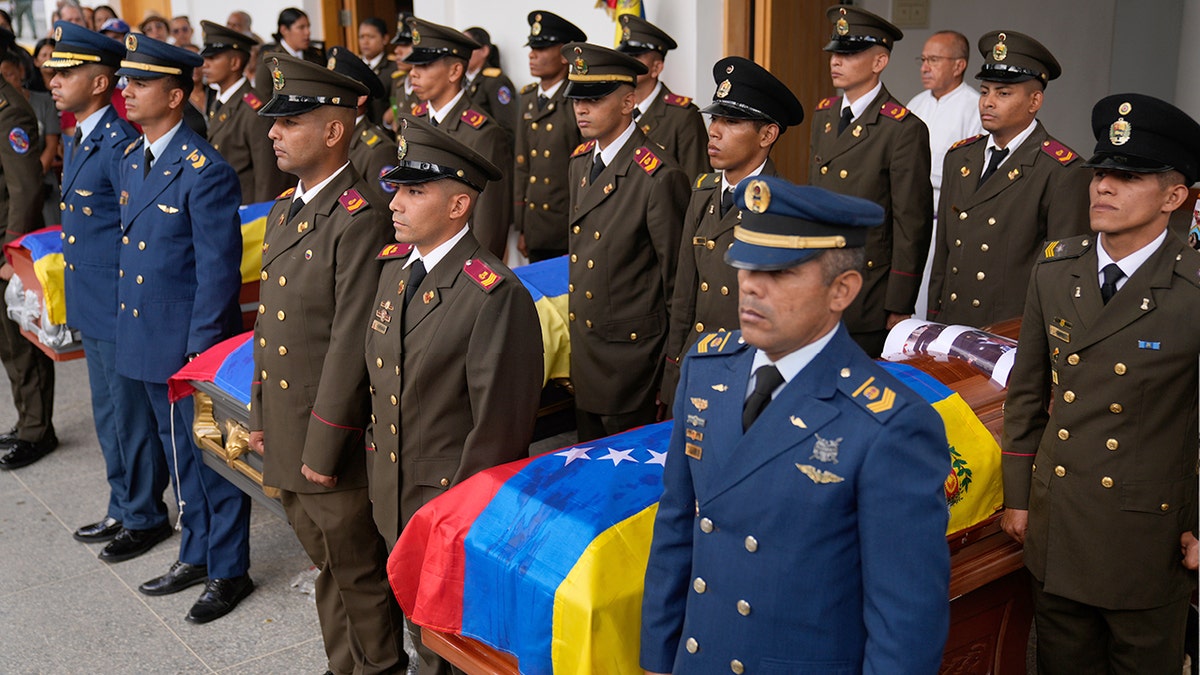
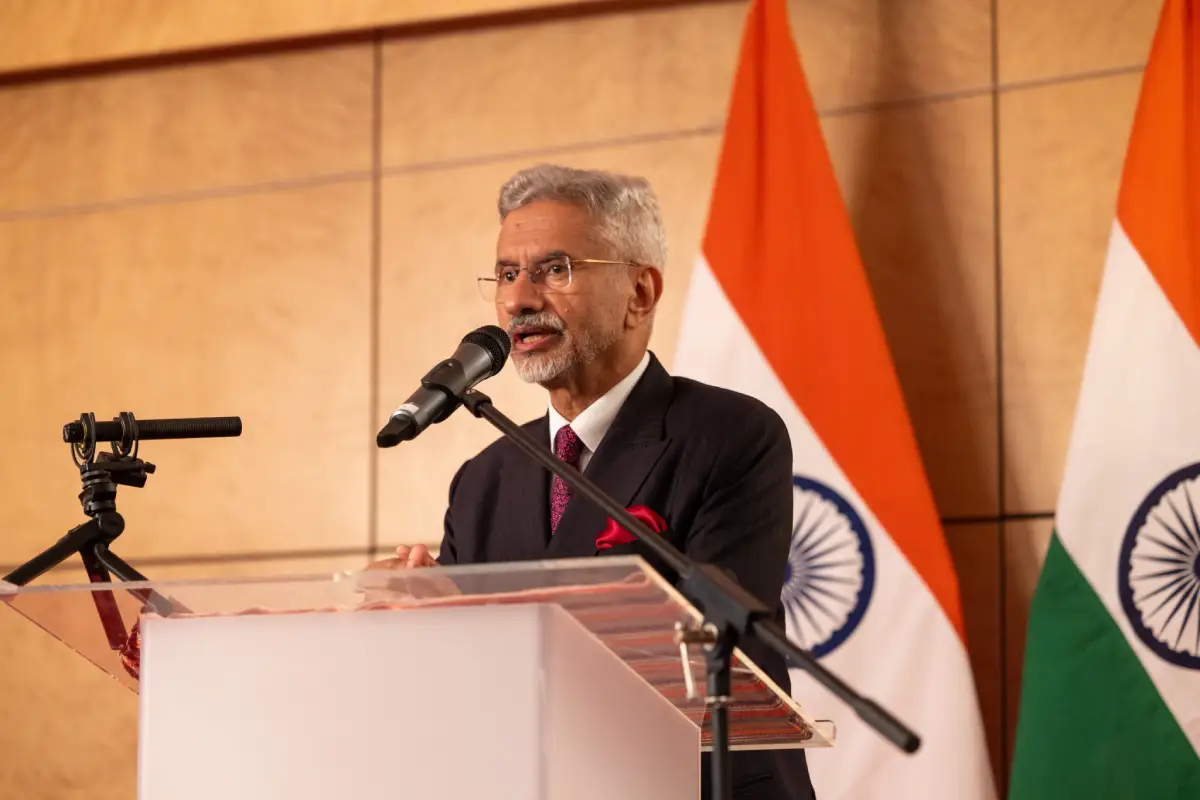
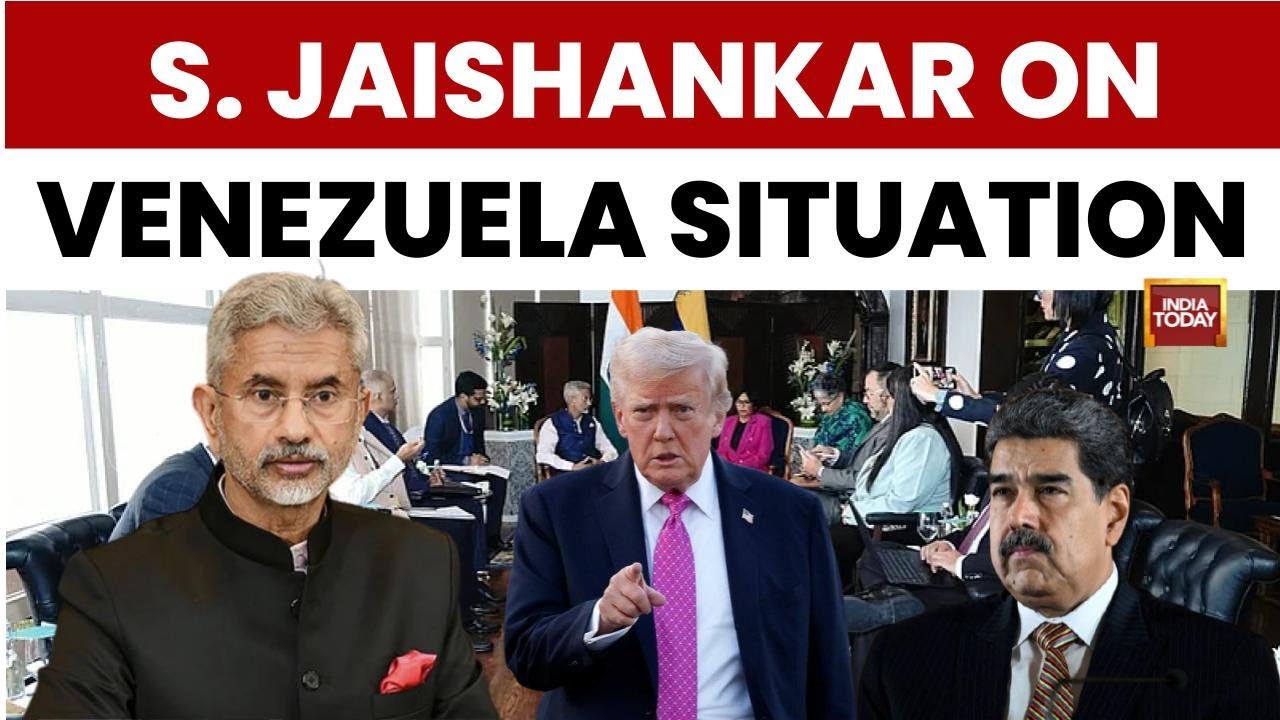
External Affairs Minister S. Jaishankar addressed the issue on January 6, stating, “Recent developments in Venezuela are a matter of deep concern. We are closely monitoring the evolving situation and urge all parties to prioritize the safety and well-being of the people.” This measured tone, issued days after the raid, avoided any direct reference to the U.S. military’s role, contrasting sharply with India’s more forthright positions on other crises. Critics argue it’s a betrayal of India’s non-aligned heritage, while defenders see it as pragmatic diplomacy in a multipolar world.
The Venezuela Crisis: A Flashpoint for Global Tensions
The U.S. operation, dubbed “Operation Liberty Dawn” by the Trump administration, unfolded in the predawn hours in Caracas. Elite U.S. special forces, backed by air support, stormed Maduro’s residence, capturing him and his wife, Cilia Flores, amid reports of heavy firefights that left dozens dead, including Venezuelan soldiers. Trump justified the move as essential to curbing drug trafficking, migration, and foreign influence from China, Russia, and Iran in America’s “backyard.” Within days, the U.S. announced Venezuela would transfer 30-50 million barrels of sanctioned oil to American shores, with proceeds controlled by Washington to “benefit” both nations.
The international backlash was swift. Russia labeled it “state terrorism,” China accused the U.S. of “hegemonic bullying,” and the UN Security Council convened emergency sessions. Even NATO allies like France and Germany expressed reservations, citing violations of international law. In Latin America, Brazil and Colombia offered tepid support, but others decried it as a return to Monroe Doctrine-era interventionism.
India’s Indian Ocean counterpart, however, opted for restraint. The Ministry of External Affairs (MEA) statement echoed Jaishankar’s words, reaffirming support for “peaceful resolution” without assigning blame. This isn’t the first time New Delhi has navigated such waters—recall its abstentions on UN votes regarding Russia’s Ukraine invasion or Israel’s Gaza operations.
Strategic Autonomy: India’s Guiding Principle
At the heart of India’s silence is its doctrine of strategic autonomy, a foreign policy cornerstone since the Cold War. Rooted in the Non-Aligned Movement (NAM), it allows India to pursue independent interests without entangling alliances. “India doesn’t condemn interventions by major powers outright because it values flexibility,” explains Dr. Rajesh Basrur, a South Asia expert at the S. Rajaratnam School of International Studies. “Condemning the U.S. now could limit options in future crises, like those involving China.”
This approach has served India well. In the Russia-Ukraine conflict, New Delhi refrained from criticizing Moscow, prioritizing discounted Russian oil imports amid global energy shortages. Similarly, with Venezuela, outright condemnation could jeopardize India’s warming ties with the Trump administration, especially as bilateral trade surges toward $200 billion annually. Trump’s “America First” resonates with Modi’s “India First,” and recent pacts on defense, technology, and Indo-Pacific strategy underscore this synergy.


Experts point to Trump’s personal diplomacy. During his first term, he cultivated strong relations with Prime Minister Narendra Modi, hosting massive rallies in India. “New Delhi is wary of ruffling Trump’s feathers,” says former diplomat Ashok Kantha. “A condemnation could invite tariffs or scrutiny on issues like H-1B visas, which affect millions of Indians.”
Oil Diplomacy: The Economic Underpinning
Venezuela’s oil reserves—the world’s largest—add another layer. India was once a major buyer of Venezuelan crude, importing over 300,000 barrels per day before U.S. sanctions in 2019 halted flows. Bilateral trade, once peaking at $14 billion, dwindled to $2.79 billion by 2020-21, with oil comprising the bulk.
Post-raid, with U.S. sanctions potentially easing under an interim regime, India eyes a revival. “The crisis minimally impacts Indian oil flows now, but upstream opportunities abound,” notes a S&P Global report. Indian firms like ONGC Videsh have invested $2 billion in Venezuelan fields, though production stalled due to instability. A stable, U.S.-friendly Caracas could unlock these assets, providing diversified energy sources amid Middle East volatility.
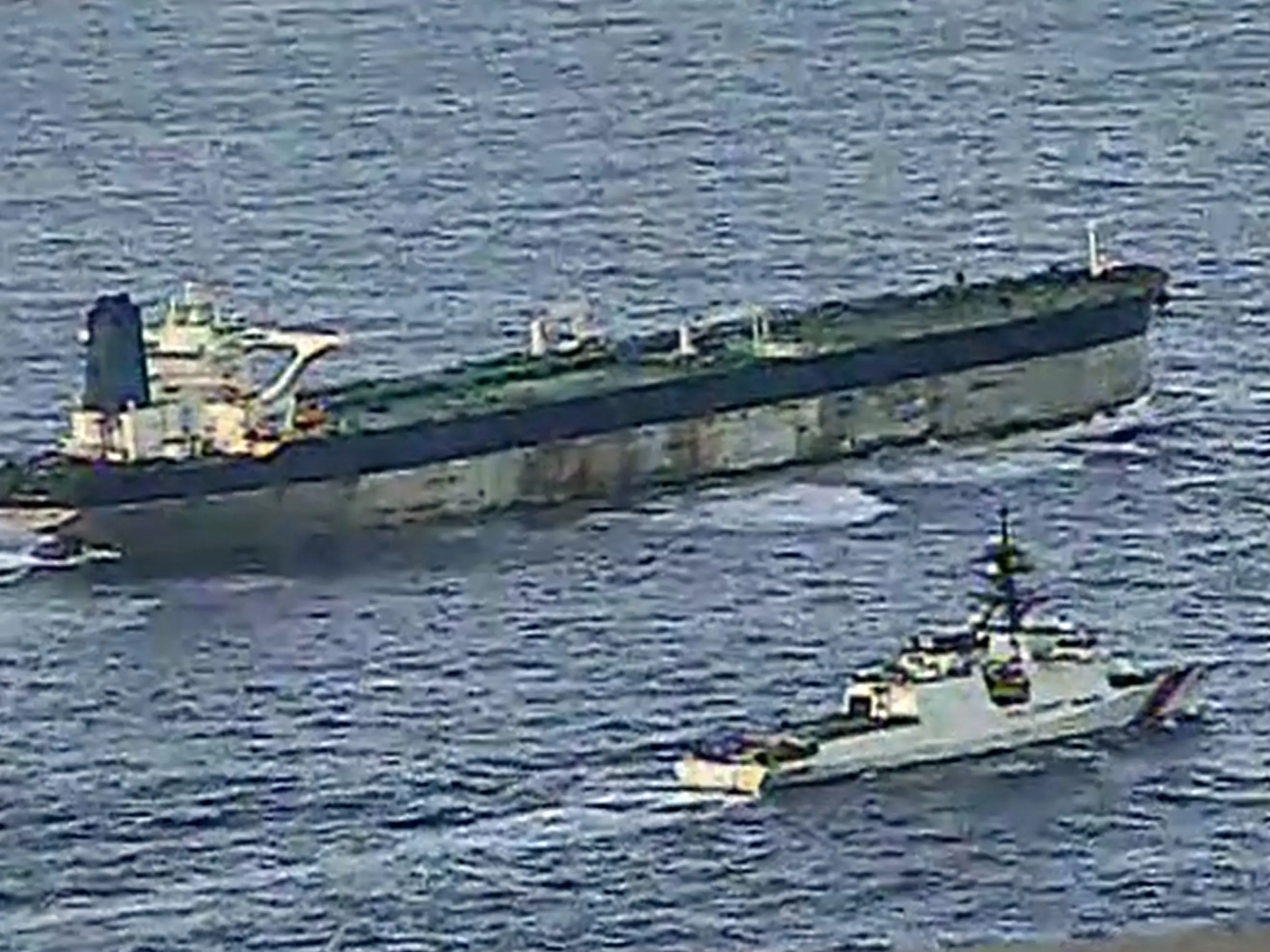
“India’s silence buys time to negotiate,” argues energy analyst Vandana Hari. “Condemning the U.S. risks exclusion from post-Maduro oil deals.” Indeed, Trump’s announcement of oil transfers hints at a reconfiguration where allies like India could benefit from discounted heavy crude suited to Indian refineries.

&imwidth=800&imheight=600&format=webp&quality=medium)

Domestic Pressures and Public Sentiment
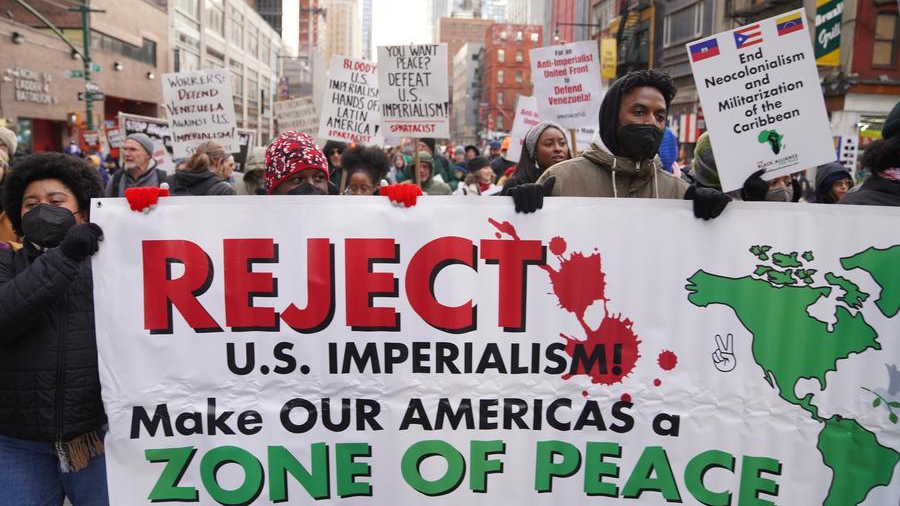
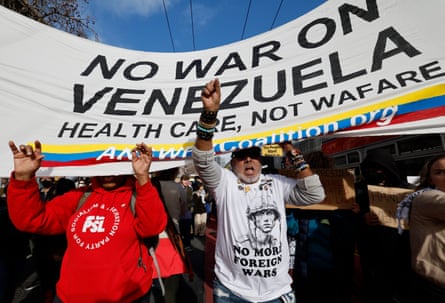
At home, India’s stance has divided opinion. Left-leaning parties and activists have staged protests in Delhi and Mumbai, chanting against “U.S. imperialism” and drawing parallels to colonial-era interventions. “As a democracy, India should stand for sovereignty,” said CPI(M) leader Sitaram Yechury during a Jantar Mantar rally. Social media buzzes with #StandWithVenezuela, but polls show a majority indifferent, prioritizing domestic issues like inflation.
The BJP government, however, frames it as realpolitik. “We’re concerned but won’t play into foreign agendas,” a senior official told reporters off-record. This mirrors India’s handling of the 2022 Qatar World Cup controversies or Myanmar’s coup—express concern, urge dialogue, avoid escalation.
Global Context: A Multipolar Balancing Act
India’s position aligns with other Global South nations like South Africa and Indonesia, who issued similar neutral statements. In a world where U.S.-China rivalry intensifies, New Delhi positions itself as a bridge-builder. Membership in BRICS and the Quad demands nuance: Align too closely with the U.S., and Russia/China bristle; criticize Washington, and Indo-Pacific partnerships suffer.
Historical precedents abound. India didn’t condemn the U.S. invasion of Iraq in 2003 or Libya in 2011, focusing instead on citizen evacuations and economic ties. “It’s consistent,” says Harsh V. Pant of the Observer Research Foundation. “India critiques when it suits, like on Gaza, but stays silent when stakes are high.”
As Venezuela’s interim leader Delcy Rodríguez navigates U.S. demands, India’s embassy in Caracas monitors closely, evacuating non-essential staff if needed. With over 50 Indian nationals in Venezuela, safety remains paramount.
Key Points: Unpacking India’s Silence
- Strategic Autonomy First: India’s non-aligned policy avoids condemning major powers to maintain diplomatic flexibility.
- U.S. Partnership Priorities: Strong ties with the Trump administration, including defense and trade deals, outweigh ideological solidarity with Venezuela.
- Oil and Economic Interests: Potential revival of Venezuelan crude imports and investments in oil fields make neutrality advantageous.
- Historical Consistency: Similar to responses on Ukraine, Iraq, and other interventions, India urges peace without blame.
- Domestic and Global Balancing: Protests at home are contained, while the stance aligns with Global South peers in a multipolar world.
- Future Implications: Silence could position India favorably in post-crisis oil negotiations but risks alienating leftist allies.

In conclusion, India’s reticence isn’t indifference but calculated strategy. As the world erupts over Venezuela, New Delhi’s silence speaks volumes about its ascent as a global player—prioritizing interests over outrage. Whether this pays off depends on the crisis’s resolution, but for now, it’s a masterclass in diplomatic restraint. As Jaishankar might say, concern yes, condemnation no.


Leave a Reply