
Main Points from Trump’s Claims on Drug Pricing:
- Pressure on France: Trump asserted that he compelled France to increase prescription drug prices through threats of a 25% tariff on French imports, claiming U.S. consumers were paying “14 times” more for the same medications.
- International Agreements: He said multiple countries rapidly consented to quadruple their drug prices following similar tariff threats, as part of his Most Favored Nation (MFN) policy aimed at reducing costs for Americans.
- U.S. Price Cuts: Trump touted major decreases in domestic prescription drug prices under the MFN approach, with claimed reductions of “400–600%,” accessible starting in January via the new platform TrumpRx.gov.
Alternative Rephrasings:
- Trump’s boast: Forced foreign nations like France to hike drug prices via tariff threats, leading to massive U.S. savings of up to 600% on prescriptions through TrumpRx.gov launching soon.
- Key highlights: Macron allegedly begged Trump not to impose tariffs after drug price demands; other countries quickly quadrupled prices; sharp U.S. cuts (400-600%) available on TrumpRx.gov from January.
- Summary of Trump’s drug policy wins: Tariff leverage made France and others raise prices dramatically, enabling “plummeting” U.S. costs via MFN deals and the upcoming TrumpRx.gov site.
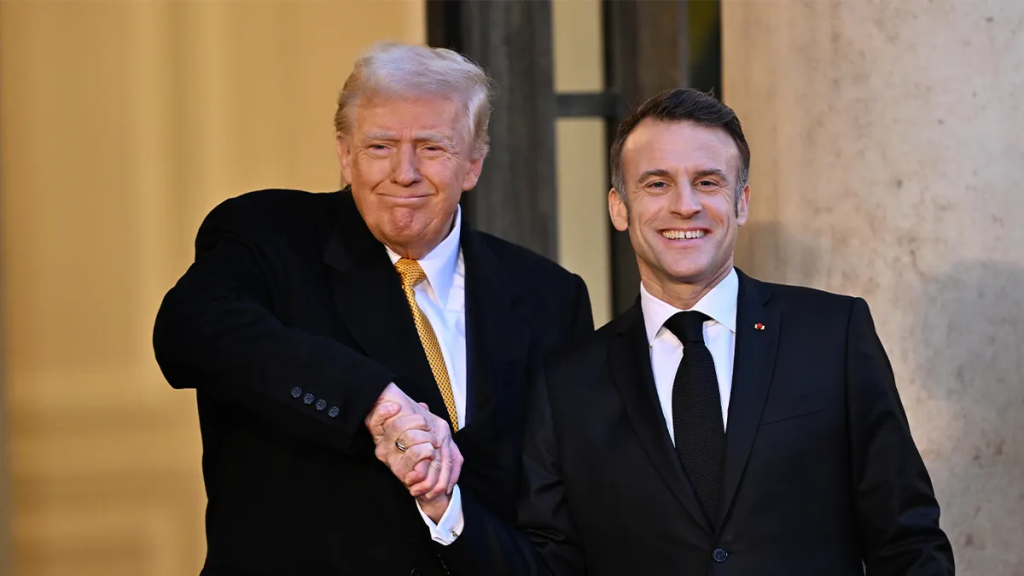
In a fiery and triumphant speech to Republican lawmakers, US President Donald Trump gleefully mocked French President Emmanuel Macron, recounting with obvious relish how he allegedly strong-armed him into hiking prescription drug prices through the sheer menace of crippling tariffs.
Trump painted a vivid picture of frustration and indignation: for decades, he thundered, Americans have been unfairly subsidizing the world’s healthcare, paying skyrocketing prices while other nations enjoy rock-bottom costs. His “Most Favoured Nation” policy, he boasted with unbridled pride, finally put an end to that injustice—and France was his prime example.
He described confronting Macron directly, fuming that US consumers were shelling out “14 times” more for the same medications. When Macron initially dug in his heels and refused, Trump’s anger boiled over into a blunt threat: a punishing 25% tariff on every French import flooding into America—wine, champagne, luxury goods, everything.
What followed, in Trump’s animated retelling, was pure capitulation. Mimicking Macron’s accent with mocking exaggeration, Trump crowed: “‘Donalddd, you have a deal! I would like to increase my prescription drug prices by 200 per cent—or whatever you want, Donald. Please don’t tell the population, I beg you!'”
The president reveled in the supposed desperation, claiming every other country folded just as quickly—often in a hilarious “3.2 minutes”—eagerly agreeing to quadruple their prices just to avoid his wrath. “We would be honoured to quadruple our drug prices if that’s what you like,” he joked, imitating humbled world leaders.
Trump hammered home his victory: the tariff threat alone was “42 times more expensive” for France than the drug price increase he demanded. In the end, he claimed, French pills jumped from $10 to $30, while American prices plummeted thanks to his tough stance.
Pushing his agenda further, Trump hyped massive US savings under the policy—cuts of “400, 500, even 600 percent”—set to roll out in January via the new government site, TrumpRx.gov.
As of now, neither Macron nor the French government has fired back at Trump’s colorful—and unverified—account, leaving the air thick with diplomatic tension.
Trump also hinted at similar leverage elsewhere, warning that tariffs on Indian goods could spike fast if concerns over Russian oil imports linger, recalling how Prime Minister Modi, a “very good guy,” worked hard to keep him satisfied.


