
By Global Affairs Correspondent Beijing, China – January 16, 2026
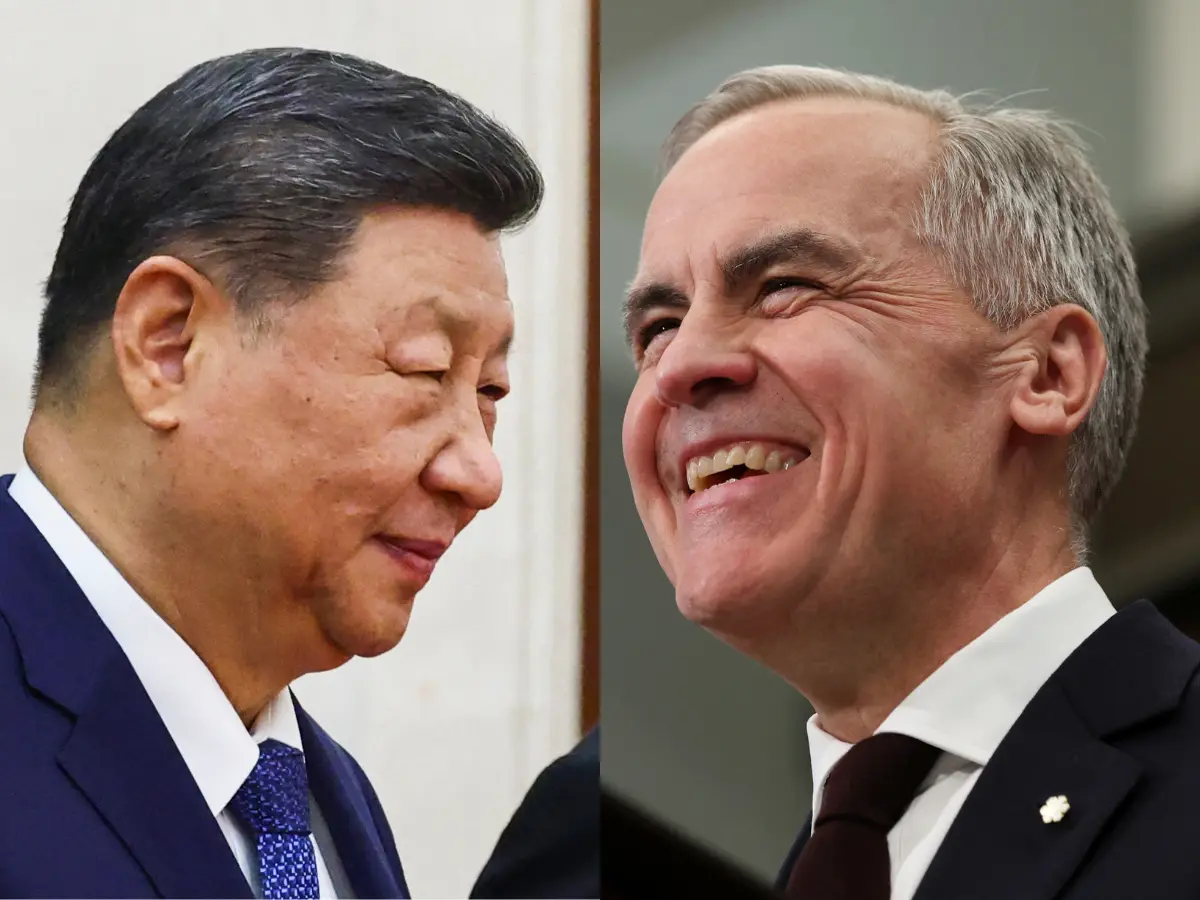
In a significant diplomatic development signaling the thawing of long-frozen relations, Chinese President Xi Jinping has hailed a “turnaround” in China-Canada ties during Canadian Prime Minister Mark Carney’s landmark visit to Beijing. The four-day trip, which concluded with high-level talks at the Great Hall of the People, marks the first such visit by a Canadian leader in nearly a decade and underscores both nations’ efforts to reset bilateral relations amid shifting global dynamics. Carney, who assumed office in late 2025 following a surprise Liberal Party leadership shift, echoed Xi’s optimism, describing the meetings as a “new era” for cooperation in trade, energy, and climate initiatives.
The visit comes on the heels of a positive encounter between Xi and Carney at the Asia-Pacific Economic Cooperation (APEC) summit in South Korea in October 2025, which both leaders cited as a pivotal moment. Relations between Ottawa and Beijing had deteriorated sharply since 2018, plagued by disputes over the arrest of Huawei executive Meng Wanzhou, the detention of Canadian citizens Michael Kovrig and Michael Spavor, allegations of election interference, and trade tariffs. However, with Carney’s administration prioritizing economic diversification away from over-reliance on the United States—especially under the unpredictable policies of U.S. President Donald Trump’s second term—Canada has actively sought to mend fences with China, its second-largest trading partner.
During Friday’s bilateral meeting, Xi expressed being “heartened” by the rapid progress, stating that the two countries have “resumed and restarted” their relationship on a positive trajectory. “This turnaround is a testament to the mutual respect and shared interests that bind our nations,” Xi remarked, according to official translations provided by the Chinese Foreign Ministry. Carney, in response, praised Xi’s leadership, noting, “We are heartened by the leadership of President Xi Jinping and the speed with which our relationship has progressed.” The discussions culminated in the signing of a new energy cooperation pact, focusing on sustainable resources like rare earth minerals and green technology, aimed at bolstering supply chains disrupted by global tensions.
&imwidth=800&imheight=600&format=webp&quality=medium)
Turning point’: Canada’s Mark Carney meets Xi Jinping for top …
Key Points from the Visit
- Diplomatic Milestone: This is the first Canadian prime ministerial visit to China since Justin Trudeau’s trip in 2017, highlighting a deliberate effort to overcome nearly a decade of strained relations.
- Energy Pact Signed: A bilateral agreement on energy and critical minerals was inked, emphasizing collaboration in clean energy transitions, including joint ventures in electric vehicle battery production and renewable infrastructure.
- Trade and Economic Focus: Discussions covered reducing trade barriers, with Canada seeking greater access to Chinese markets for agricultural products and seafood, while China expressed interest in Canadian expertise in financial services and AI.
- Climate and Security Dialogue: Both sides committed to enhanced cooperation on climate change, aligning with Carney’s background as a former Bank of England governor and UN climate envoy. Security issues, including cybersecurity and Arctic sovereignty, were addressed candidly but constructively.
- People-to-People Ties: Agreements on cultural exchanges, student visas, and tourism recovery were announced, aiming to rebuild interpersonal connections post-COVID and amid previous diplomatic freezes.
- Global Context: The reset occurs against a backdrop of U.S.-China rivalry, with Canada positioning itself as a bridge-builder. Analysts note the influence of Trump’s tariffs on allies, pushing Ottawa toward diversified partnerships.
- Challenges Acknowledged: While optimistic, both leaders referenced past tensions, with Carney raising human rights concerns and Xi urging non-interference in internal affairs.
The visit began on January 14 with Carney’s arrival in Beijing, where he was greeted by Chinese Foreign Minister Wang Yi. Wang described the trip as “pivotal and landmark,” emphasizing its role in recalibrating ties. On the second day, Carney met with Premier Li Qiang, China’s head of government, at the Great Hall of the People. Li echoed the turnaround narrative, calling it a “new starting point” for bilateral relations and predicting “upward growth” following the Xi-Carney summit.
In their discussions, Li and Carney focused on economic synergies. Canada, rich in natural resources, sees China as a key market for exports like canola, pork, and lumber, which faced restrictions during the height of tensions. In return, China views Canada as a stable source of investment in technology and finance. The energy pact, signed during this meeting, includes provisions for joint research in hydrogen fuel and carbon capture technologies, reflecting Carney’s longstanding advocacy for net-zero transitions. “This partnership isn’t just about trade; it’s about building a sustainable future together,” Carney stated in a post-meeting press briefing.

Canada’s Carney hails warmer ties with China and signs energy pact …
Carney also held talks with Zhao Leji, China’s top legislator and chairman of the National People’s Congress Standing Committee. Here, the emphasis was on parliamentary exchanges and legal cooperation, areas that had been neglected during the diplomatic chill. Zhao highlighted the importance of mutual understanding, while Carney reiterated Canada’s commitment to multilateralism through forums like the United Nations and G20.
The centerpiece of the visit was Friday’s meeting with Xi Jinping. Lasting over two hours, the talks covered a broad spectrum, from economic recovery to geopolitical stability. Xi praised Carney’s pragmatic approach, contrasting it implicitly with the more confrontational stance of previous Canadian administrations. “In a world of complex changes, China and Canada can serve as models of cooperation,” Xi said. Carney, drawing on his experience in global finance, proposed elevating the relationship to a “strategic partnership,” encompassing not only economics but also security dialogues on issues like fentanyl trafficking and cyber threats—topics that had previously exacerbated divisions.
Background on the strained relations provides crucial context. The downturn began in December 2018 when Canada arrested Meng Wanzhou at the U.S.’s request, leading to China’s retaliatory detention of the “Two Michaels.” This escalated into a full-blown diplomatic crisis, with trade bans, espionage accusations, and public condemnations. By 2021, relations hit rock bottom amid reports of Chinese interference in Canadian elections and Canada’s alignment with the U.S. in criticizing China’s policies in Xinjiang and Hong Kong. The release of the detainees in 2021 offered a brief respite, but mistrust lingered under Trudeau’s tenure.
Carney’s election in 2025, following Trudeau’s resignation amid domestic scandals, brought a fresh perspective. As a former central banker with deep ties to international finance, Carney campaigned on economic pragmatism, arguing that isolating China was counterproductive. His first major foreign policy move was the APEC sideline meeting with Xi, where initial agreements on dialogue resumption were forged. Since then, ministerial-level talks have accelerated, leading to this Beijing visit.
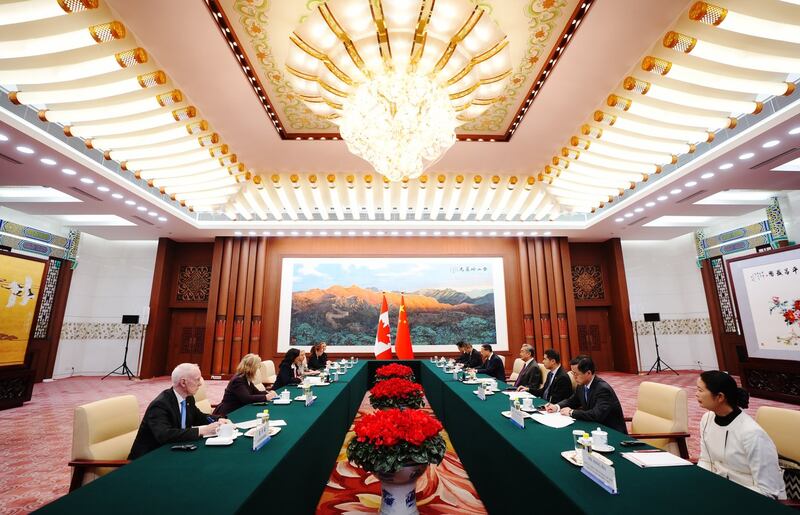
Mark Carney meeting Xi Jinping
Experts view this reset positively but cautiously. Dr. Evelyn Chan, a Sino-Canadian relations specialist at the University of Toronto, notes, “This turnaround is driven by necessity. With U.S. protectionism rising, Canada needs China for economic stability. However, Ottawa must balance this with alliances like Five Eyes and NATO.” On the Chinese side, state media like Xinhua have portrayed the visit as a victory for Xi’s “win-win” diplomacy, emphasizing shared benefits in a multipolar world.
The energy pact stands out as a tangible outcome. Valued at an estimated $5 billion over five years, it involves Canadian firms like Suncor and Enbridge partnering with Chinese state-owned enterprises such as Sinopec for rare earth mining in Canada’s north and technology transfers for green energy. This aligns with global efforts to secure supply chains for electric vehicles and renewables, reducing dependence on volatile markets. Critics in Canada, however, worry about environmental impacts and strategic vulnerabilities, with opposition Conservative leader Pierre Poilievre calling it “naive engagement with a rival power.”
Human rights remained a thorny issue. Carney privately raised concerns over Uyghur detentions and Hong Kong’s democracy crackdown, according to Canadian officials, but public statements focused on forward-looking cooperation. Xi, in turn, urged Canada to resist “external interference,” a veiled reference to U.S. pressures. Despite these undercurrents, the tone was conciliatory, with both sides agreeing to establish a human rights dialogue mechanism—a first in bilateral history.
Culturally, the visit included symbolic gestures. Carney toured the Forbidden City, emphasizing historical ties dating back to Norman Bethune’s contributions during China’s revolutionary era. Agreements on eased visa processes aim to boost tourism, which plummeted during the pandemic and diplomatic spats. Educational exchanges, once robust with over 100,000 Chinese students in Canada annually, are set to rebound with new scholarships and joint research programs.
Canada’s Prime Minister Mark Carney visits China | Reuters Connect
Looking ahead, the visit sets the stage for further engagements. Carney invited Xi to visit Canada in 2027, coinciding with the 150th anniversary of diplomatic relations. Potential areas for expansion include Arctic cooperation, where China’s growing interest intersects with Canada’s sovereignty claims, and fintech collaborations leveraging Carney’s expertise. However, challenges persist: ongoing U.S.-China trade wars could force Canada into difficult choices, and domestic pressures in both countries—from Canadian public skepticism to Chinese nationalist sentiments—may test the fragility of this turnaround.
In a joint statement, both leaders committed to “building a community of shared future,” echoing Xi’s global vision. As Carney departed Beijing on January 17, he reflected, “This is not just a reset; it’s a relaunch for mutual prosperity.” The world watches closely, as this partnership could influence broader Indo-Pacific dynamics in an era of uncertainty.
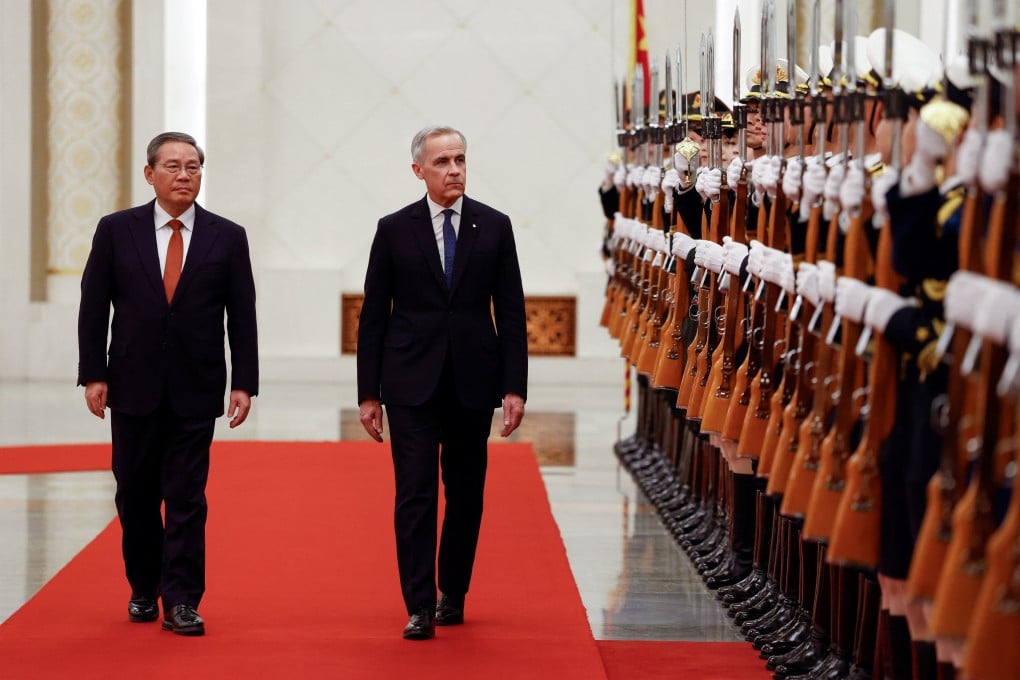
China and Canada at ‘new starting point’ as Mark Carney breaks ice …


Leave a Reply