
The escalating tensions between the United States and Iran have reached a critical juncture in mid-January 2026, marked by dramatic military movements and a surprising policy reversal from Tehran. The headline-grabbing developments—US warships repositioning toward the Middle East and Iran’s apparent U-turn on the scheduled execution of protester Erfan Soltani (also referred to as Irfan/Irfan Sultani)—have sparked intense speculation about the path forward. These events unfold against the backdrop of widespread anti-government protests in Iran that have entered their third week, with reports of over 2,000 deaths, mass arrests, and a near-total internet blackout imposed by authorities.
This situation raises questions about de-escalation, potential conflict, or a fragile standoff. Drawing from recent reports, here are key signals and analysis on what might happen next.
Background: Iran’s Protests and the Soltani Case
Iran has been gripped by nationwide unrest since late December 2025, initially sparked by economic grievances but quickly evolving into calls for regime change. Protesters have chanted slogans like “Death to the dictator” targeting Supreme Leader Ayatollah Ali Khamenei. Authorities have responded with lethal force, labeling demonstrators as “rioters” and “terrorists” backed by foreign powers, primarily the US and Israel.
The case of 26-year-old Erfan Soltani, a shopkeeper from Fardis near Tehran, became a flashpoint. Arrested on January 8, 2026, he was reportedly convicted of “moharebeh” (waging war against God) just days later on January 11 and sentenced to death. Human rights groups like Hengaw and Amnesty International highlighted the lack of fair trial, legal representation, or appeal rights. His family was informed of a public execution scheduled for January 14, potentially in a city square to deter further protests.
International outrage mounted, amplified by US President Donald Trump’s strong rhetoric. Trump posted on Truth Social urging Iranians to “KEEP PROTESTING,” promising “help is on its way” and warning of “very strong action” if executions proceeded. He canceled meetings with Iranian officials until the “senseless killing” stopped.
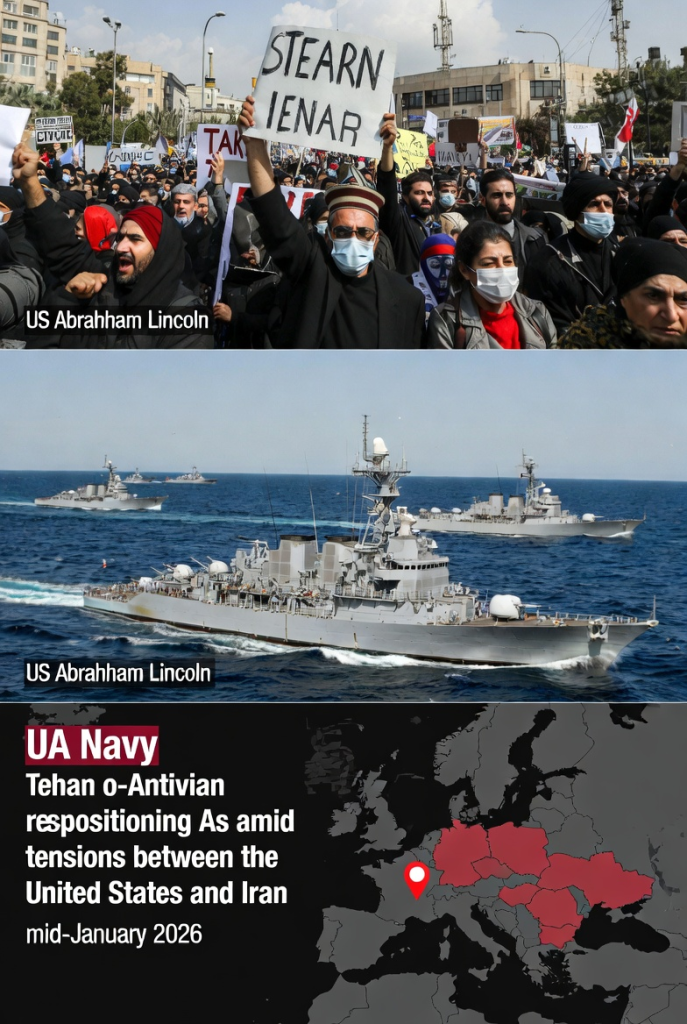
This image shows protesters in Tehran during the ongoing anti-government demonstrations, illustrating the scale of public unrest driving the crisis.
Iran’s U-Turn: Execution Postponed
In a notable reversal, Soltani’s execution was postponed on January 14, according to his family and Hengaw. Iran’s judiciary later denied any death sentence had been issued, claiming charges against him (gathering against national security and propaganda) carried only prison terms. Foreign Minister Abbas Araghchi told media outlets like Fox News that “hanging is out of the question” and there was “no plan for executions.”
Trump welcomed the development, stating he had received assurances from “very important sources” that killings had stopped and executions were off the table. He added he would “watch it and see” regarding military options. Iran’s airspace, closed amid fears of US intervention, reopened, allowing flights to resume normally.
This shift is interpreted as a response to intense external pressure, particularly from Washington, and an effort to avoid providing a pretext for escalation. Analysts note Iran’s history of using threats of swift justice to intimidate, but backtracking when international stakes rise.
US Warship Movements: Signaling Strength
Parallel to Iran’s reversal, the US Navy has repositioned assets toward the region. Reports indicate the nuclear-powered aircraft carrier USS Abraham Lincoln and its strike group, previously in the South China Sea, are heading to the US Central Command (CENTCOM) area, encompassing the Middle East and Persian Gulf. This redeployment could take about a week.
Other assets, including guided-missile destroyers like USS Roosevelt already operating in the Arabian Gulf, bolster the presence. While no carrier was in CENTCOM earlier in January, this move echoes past deterrence efforts against Iran. Officials frame it as ensuring rapid response capabilities amid deteriorating security, though no direct confirmation ties it solely to the protests.
The buildup has fueled fears of confrontation, reminiscent of historical incidents like Operation Praying Mantis in 1988, where US forces destroyed Iranian platforms and ships after mining incidents.
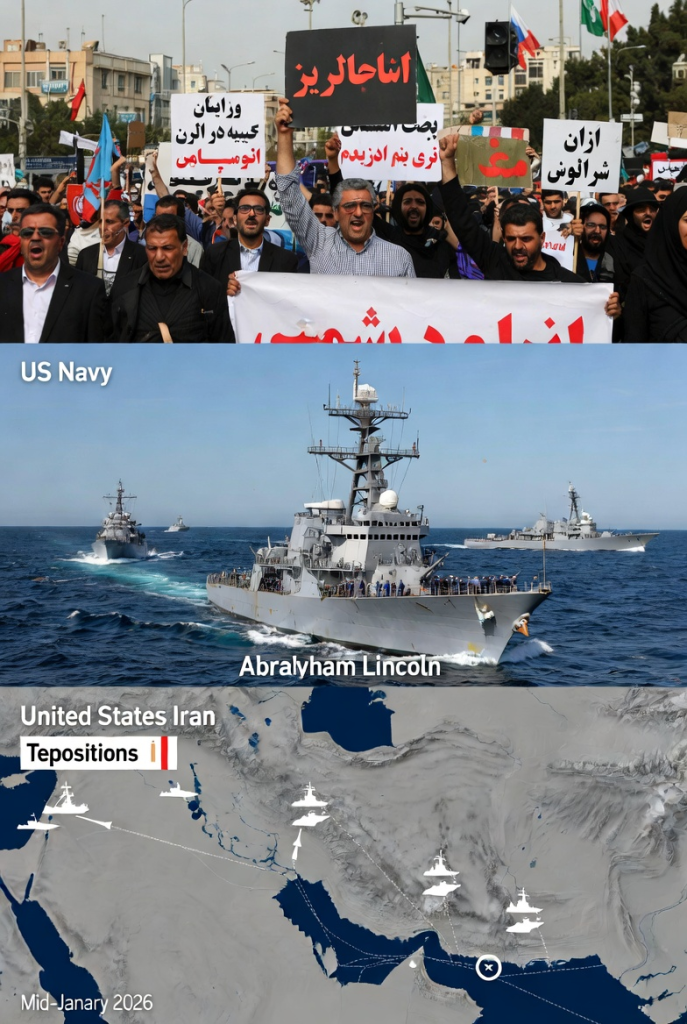
These images depict US Navy warships, including an aircraft carrier similar to the USS Abraham Lincoln on deployment, symbolizing the military repositioning amid tensions.
Four Key Signals on What Happens Next
Several indicators suggest possible trajectories:
- De-escalation Momentum — Iran’s postponement of the execution, airspace reopening, and official denials of death plans point to a tactical retreat. Oil prices fell by $2 per barrel on January 15, reflecting market relief rather than war fears. Trump’s acknowledgment of halted killings and lack of immediate military follow-through suggest both sides may prefer avoiding direct clash.
- Continued Deterrence Posture — The US warship movements serve as a strong signal of readiness. With Trump in office emphasizing “peace through strength,” the presence of carriers and destroyers deters Iran from resuming harsh crackdowns. However, without overt aggression, this could remain posturing to support protesters indirectly.
- Humanitarian and Diplomatic Pressure — International condemnation, including from the UN and rights groups, has spotlighted Soltani’s case. If more executions loom (Hengaw warns of similar risks for others), pressure could intensify. Iran’s framing of protesters as foreign-backed terrorists may harden domestic support but alienate globally.
- Risk of Escalation — Khamenei and hardliners remain prepared for “extreme measures.” Any perceived US overreach or renewed executions could trigger retaliation against US bases or allies. Protests persist despite repression, and an internet blackout limits information flow, potentially masking further violence.
Outlook
The combination of US naval repositioning and Iran’s execution U-turn appears to have created breathing room, averting immediate catastrophe. Yet the situation remains volatile. Protests continue, with thousands detained and casualties mounting. Trump’s administration has not ruled out action, while Iran warns of consequences for interference.
For now, these developments lean toward cautious de-escalation rather than inevitable war. Markets, diplomacy, and military signaling suggest both sides are calibrating responses to avoid full confrontation. However, the underlying grievances in Iran and regional rivalries mean any spark could reignite tensions.


Leave a Reply