
By International Affairs Correspondent Washington / Gaza City – January 16, 2026
The Trump administration has formally launched the second phase of its ambitious 20-point Gaza peace plan, shifting focus from a fragile ceasefire to the far more complex tasks of demilitarization, technocratic governance, and large-scale reconstruction. U.S. Special Envoy to the Middle East Steve Witkoff announced the transition on January 14, 2026, via social media, declaring that Gaza was moving “from ceasefire to demilitarization, technocratic governance, and reconstruction.” The move establishes a transitional Palestinian technocratic administration—the National Committee for the Administration of Gaza (NCAG)—and initiates the “full demilitarization” of the territory, primarily through the disarmament of Hamas and other armed groups.
President Donald Trump hailed the development on Truth Social, announcing the formation of a supervisory “Board of Peace” under his chairmanship and describing the technocratic committee as comprising “unwaveringly committed” Palestinian leaders dedicated to a peaceful future. Former Palestinian Authority official Abdel Hamid Shaath has been named to head the 15-member NCAG, with the full roster expected soon. The Board of Peace, also including Bulgarian diplomat Nickolay Mladenov as director-general, will oversee the transition period.
This development follows the October 2025 ceasefire that ended more than two years of devastating war sparked by Hamas’s October 7, 2023, attack on Israel. Phase one secured the release of most living hostages, prisoner exchanges, and a tenuous truce, though violations persisted, with nearly 450 Palestinians killed in Israeli strikes and three Israeli soldiers lost since the ceasefire began, according to Gaza’s health ministry and Israeli military reports.
While the announcement marks a diplomatic milestone—Trump’s direct intervention credited with brokering the initial deal—analysts and regional stakeholders warn of severe pitfalls ahead. The second phase’s core elements—Hamas disarmament, Israeli military withdrawal, deployment of an International Stabilization Force (ISF), and effective reconstruction amid Gaza’s humanitarian catastrophe—face profound obstacles that could derail the entire plan.
Key Elements of Phase Two
- Technocratic Governance: The NCAG is tasked with managing daily administration, including essential services, aid distribution, and coordination with international donors. Unlike previous Hamas-controlled structures, this body comprises non-partisan technocrats vetted to exclude militant affiliations. Palestinian officials, including Vice President Hussein al-Sheikh, have welcomed the move but insist Gaza’s institutions link to the Palestinian Authority in the West Bank under “one system, one law, one legitimate weapon.”
- Demilitarization and Disarmament: The plan demands the complete disarmament of “unauthorized personnel,” targeting Hamas’s arsenal. Witkoff warned that failure to comply would bring “serious consequences,” though specifics remain vague. Hamas has signaled willingness to transfer governmental functions but has historically conditioned disarmament on progress toward Palestinian statehood.
- Reconstruction: With Gaza’s infrastructure in ruins—UN estimates place rebuilding costs at over $50 billion—the phase envisions massive international investment in housing, hospitals, schools, and utilities. The technocratic committee will coordinate with aid agencies, but operational and financial hurdles loom large for serving 2.1 million residents.
- International Stabilization Force (ISF): An multinational force would train and support vetted Palestinian police while ensuring security during the transition. Few countries have committed troops, raising doubts about enforcement capacity.
- Hostage and Remains Resolution: Phase one remains incomplete, with the final deceased Israeli hostage’s remains unreturned. Israeli families and advocates urge delaying phase two until this is resolved.
Major Pitfalls and Challenges
The most immediate and intractable issue is Hamas disarmament. The group has refused to relinquish weapons without guarantees of Palestinian independence, viewing arms as essential for resistance. Senior Hamas official Taher al-Nunu indicated support for transferring functions to the NCAG but stopped short of endorsing full demilitarization. Israeli officials express deep skepticism, with Prime Minister Benjamin Netanyahu’s office calling the technocratic announcement “declaratory” and prioritizing the return of hostage remains.
If Hamas resists, potential consequences include renewed Israeli operations, clashes with the ISF, or U.S.-led sanctions—yet enforcing disarmament without escalating violence remains unclear. Mediators Egypt, Qatar, and Turkey will attempt to bridge gaps, but trust deficits are immense.
Israeli withdrawal poses another hurdle. The plan envisions phased IDF pullback, but Israel has not committed to full withdrawal, citing security threats. Netanyahu faces domestic pressure from hardliners opposing any concessions, potentially stalling implementation.
The fragile ceasefire continues to fray. Mutual accusations of violations highlight the truce’s instability. Humanitarian conditions remain dire: widespread displacement, unemployment, restricted movement, and aid dependency persist, with the UN stressing unrestricted supply access.
Reconstruction financing and governance face operational nightmares. The NCAG must deliver services amid destruction, while the $50+ billion needed requires sustained donor commitment. Corruption risks, factional rivalries (Hamas vs. PA-linked figures), and coordination with Israel and aid groups complicate matters.
The ISF deployment lacks concrete pledges. Without robust international participation, security vacuums could emerge, allowing militant resurgence or Israeli re-intervention.
Broader geopolitical dynamics add complexity. Trump’s plan emphasizes U.S. leadership and pragmatic outcomes over traditional two-state frameworks, drawing criticism for sidelining Palestinian self-determination. Some view it as burden-shifting to Palestinians while reproducing external control.
Hamas’s partial cooperation signals pragmatism post-war exhaustion, but internal hardliners may resist. Israel’s measured response reflects caution over intractable problems.
If phase two falters, Gaza risks prolonged limbo: partial Hamas control, open-ended Israeli occupation, humanitarian crisis, and stalled reconstruction. Success hinges on compromise—unlikely given histories.
Trump’s high-stakes gamble reflects his deal-making style, but Middle East realities demand patience and flexibility the plan may lack.
As Witkoff noted, expectations remain high for Hamas compliance and hostage resolution. Yet with pitfalls abundant, the second phase tests whether Trump’s initiative can deliver lasting peace or collapse under accumulated tensions.
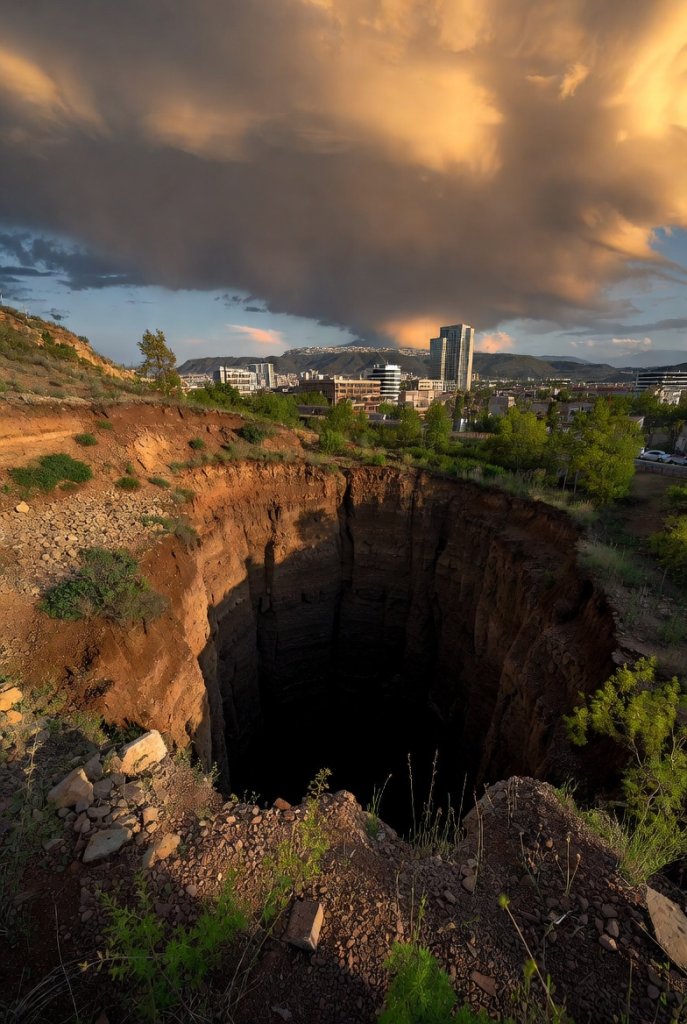
These images illustrate the devastation in Gaza and the symbolic weight of the ongoing peace efforts as the plan advances into its challenging second phase.


Leave a Reply