
In a significant escalation of its immigration crackdown, the United States has announced an indefinite suspension of immigrant visa processing for nationals of 75 countries, effective January 21, 2026. This move, announced by the U.S. Department of State on January 14, 2026, targets applicants seeking permanent residency (green cards) through family reunification, employment, or other immigrant pathways. The policy does not affect non-immigrant visas, such as those for tourists, business travelers, or students, which remain available and are expected to see increased demand ahead of major events like the 2026 FIFA World Cup co-hosted by the U.S.
Here are some scenes from U.S. visa application processes around the world, where long queues have become a common sight for hopeful applicants:


The suspension stems from the Trump administration’s emphasis on preventing individuals deemed likely to become a “public charge” — meaning they might rely on government benefits like welfare, food stamps, or Medicaid — from obtaining permanent residency. State Department officials, including Principal Deputy Spokesperson Tommy Pigott, stated that the pause allows for a comprehensive reassessment of screening and vetting procedures to ensure immigrants do not “exploit the generosity of the American people” or strain public resources.
This policy builds on earlier actions, including Presidential Proclamation 10998 (issued December 16, 2025), which expanded travel restrictions and entry suspensions to nationals of 39 countries (with partial or full bans), citing national security, vetting deficiencies, visa overstay rates, and counterterrorism concerns. Countries like Afghanistan, Iran, Somalia, Syria, and Yemen were already heavily restricted, and the new suspension extends similar measures to a broader list, including nations not previously targeted.
The List of Affected Countries
The 75 countries include a diverse range from Africa, Asia, Latin America, the Caribbean, the Middle East, and Eastern Europe. Key examples are:
- Africa: Afghanistan, Algeria, Cameroon, Egypt, Eritrea, Ethiopia, Gambia, Ghana, Guinea, Ivory Coast (Côte d’Ivoire), Liberia, Libya, Morocco, Nigeria, Rwanda, Senegal, Sierra Leone, Somalia, South Sudan, Sudan, Tanzania, Togo, Tunisia, Uganda
- Asia: Bangladesh, Bhutan, Cambodia, Kazakhstan, Kyrgyzstan, Laos, Mongolia, Nepal, Pakistan, Thailand, Uzbekistan
- Middle East: Iran, Iraq, Jordan, Kuwait, Lebanon
- Latin America & Caribbean: Antigua and Barbuda, Bahamas, Barbados, Belize, Brazil, Colombia, Cuba, Dominica, Grenada, Guatemala, Haiti, Jamaica, Nicaragua, Saint Kitts and Nevis, Saint Lucia, Saint Vincent and the Grenadines, Uruguay
- Europe & Others: Albania, Armenia, Azerbaijan, Belarus, Bosnia, Georgia, Kosovo, Macedonia (North Macedonia), Moldova, Montenegro, Russia
Applicants from these countries can still submit applications and schedule interviews, but no immigrant visas will be issued during the pause. Existing visas issued before the effective dates remain valid, and no revocations are planned for those already approved.
This example of a machine-readable immigrant visa (MRIV) in a passport highlights what many applicants are now unable to obtain:
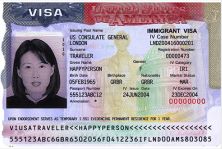
Temporary I-551 Stamps and MRIVs | USCIS
Broader Context and Impact
The decision is part of a broader immigration enforcement push since President Trump’s return to office in January 2025. The administration has reported revoking over 100,000 visas in 2025, deporting more than 605,000 individuals, and seeing millions more “self-deport.” Refugee admissions have been capped at historic lows (just 7,500 for fiscal year 2026), and asylum processing has been paused in many cases.
Critics argue the public charge rationale is overstated. Studies, including a February 2025 report from the libertarian Cato Institute, show that immigrants consume fewer welfare benefits per capita than native-born Americans. Immigration experts warn that the suspension could block nearly half of all legal immigrants annually — potentially turning away 315,000 people — and cause severe family separations, economic disruptions, and diplomatic tensions.
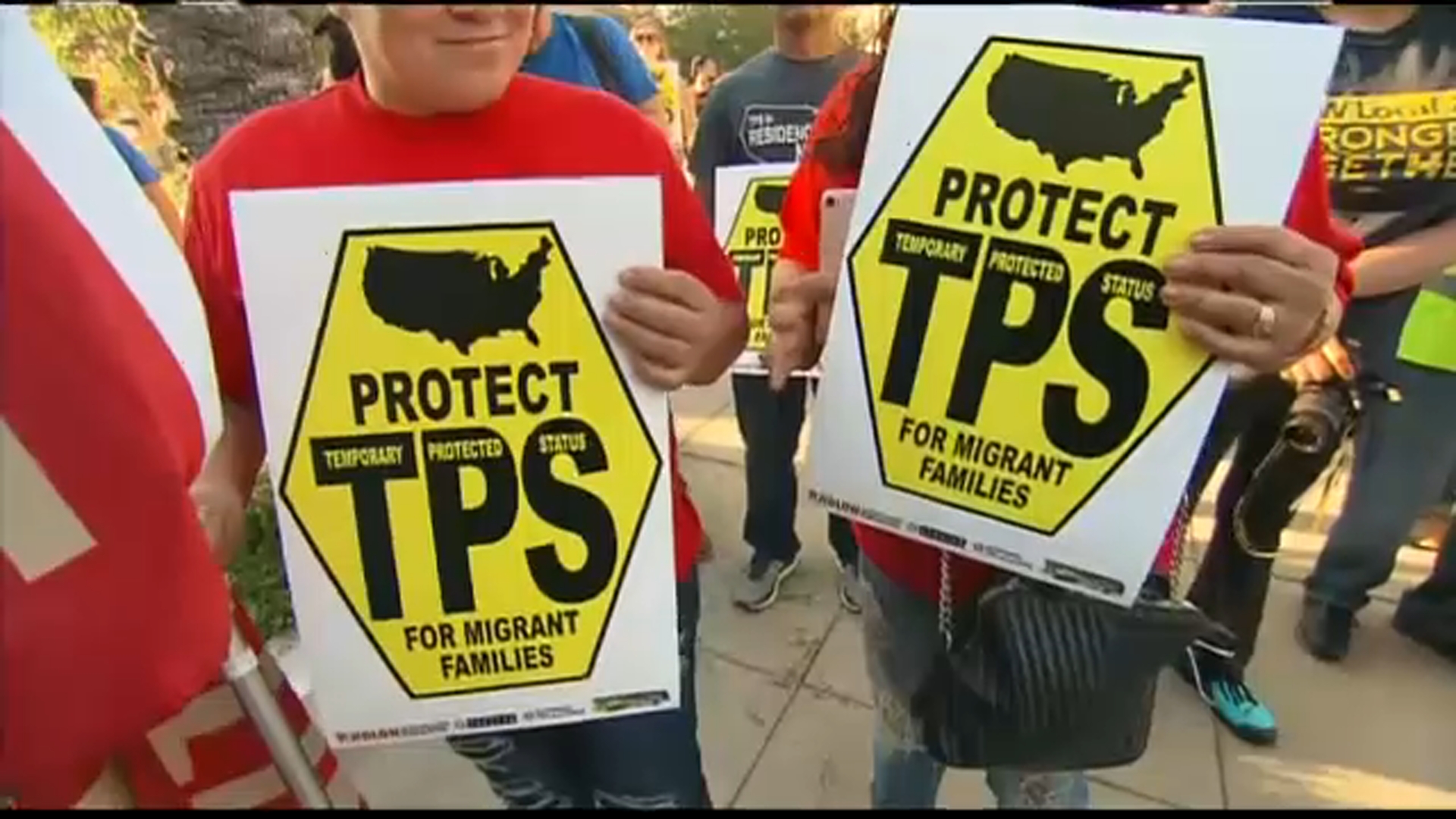
Here are visuals capturing the human impact, including protests against immigration restrictions and the emotional toll of family separations:

The U.S. flag flies prominently at embassies worldwide, symbolizing the government’s authority over visa decisions:

American flag flies over Embassy Honiara – State Magazine
Families torn apart by visa delays and restrictions face prolonged uncertainty, as seen in these poignant images of separated loved ones:

Family Separation May Have Hit Thousands More Migrant Children …
What This Means Moving Forward
The indefinite nature of the suspension — with no announced end date — has created widespread anxiety among applicants, employers, and families. While non-immigrant visas remain open (a relief for World Cup attendees and tourists), the pause exacerbates existing backlogs and could reshape legal immigration patterns for years.
Affected individuals are advised to monitor updates from the U.S. Department of State and consult immigration attorneys. As the U.S. reassesses its policies, this “mass suspension” marks one of the most sweeping restrictions on legal permanent residency in recent history, reflecting the administration’s hardline stance on immigration.


Leave a Reply