
The Islamic Republic of Iran finds itself in the midst of one of its most severe internal crises in recent years, as nationwide protests—sparked by economic collapse—continue to escalate into widespread anti-government demonstrations. U.S. President Donald Trump has repeatedly signaled close American attention to the unfolding events, warning that the regime’s violent suppression of demonstrators could prompt strong U.S. intervention. In recent statements, Trump declared that “Iran is in big trouble” and emphasized that the United States is “watching the situation very carefully,” vowing to respond decisively if the regime continues killing peaceful protesters.


The unrest erupted in late December 2025, initially triggered by a dramatic collapse in the value of Iran’s national currency, the rial, amid soaring inflation that has pushed food prices up by over 70% in recent months. What began as localized strikes by shopkeepers and traders in Tehran’s historic Grand Bazaar quickly spread to other provinces, fueled by long-standing grievances over economic hardship, energy shortages, corruption, and political repression. By early January 2026, demonstrations had engulfed all 31 provinces, with millions reportedly taking to the streets in cities including Tehran, Mashhad, Tabriz, Shiraz, Isfahan, and Rasht.
Protesters have chanted slogans calling for an end to the Islamic Republic, with some explicitly demanding the return of the monarchy under Reza Pahlavi, the exiled son of the last Shah. Chants such as “Death to the Dictator” and “Long Live the Shah” have echoed through the streets, marking a significant escalation from earlier waves of protest. The movement draws parallels to the 2022-2023 Woman, Life, Freedom uprising following the death of Mahsa Amini in police custody, but this round appears broader in scope, incorporating diverse socioeconomic groups amid acute economic despair.

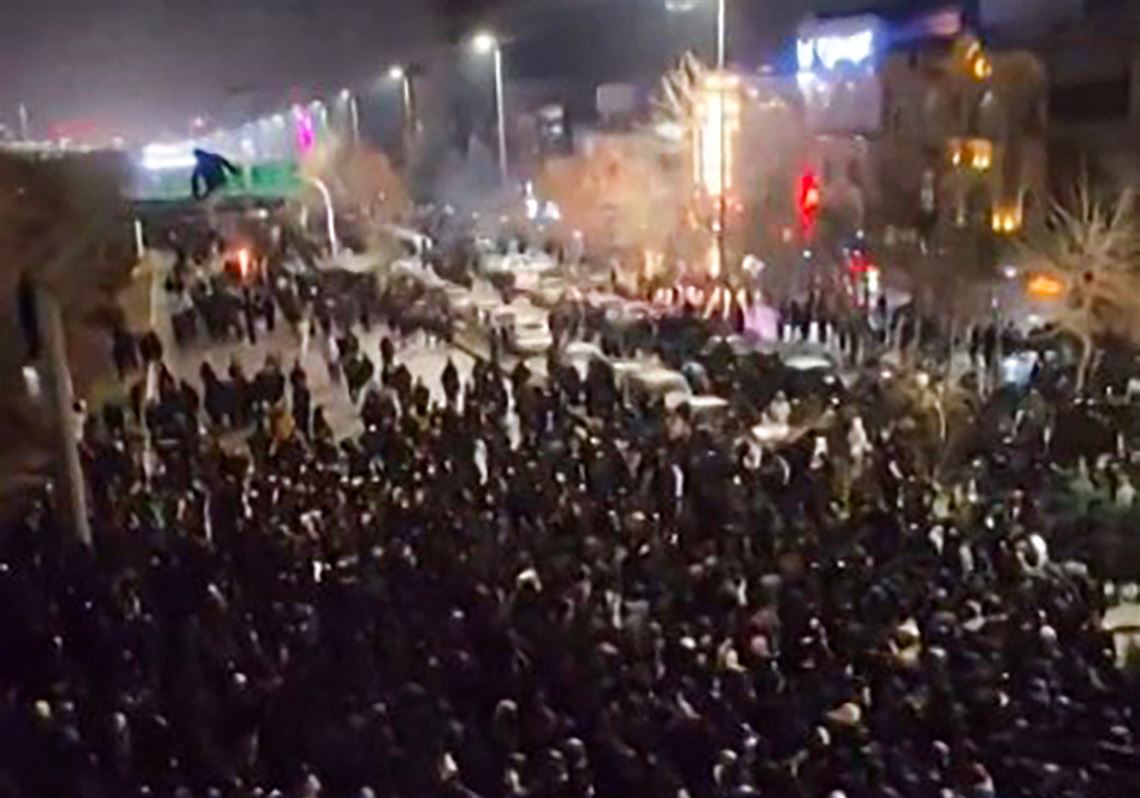
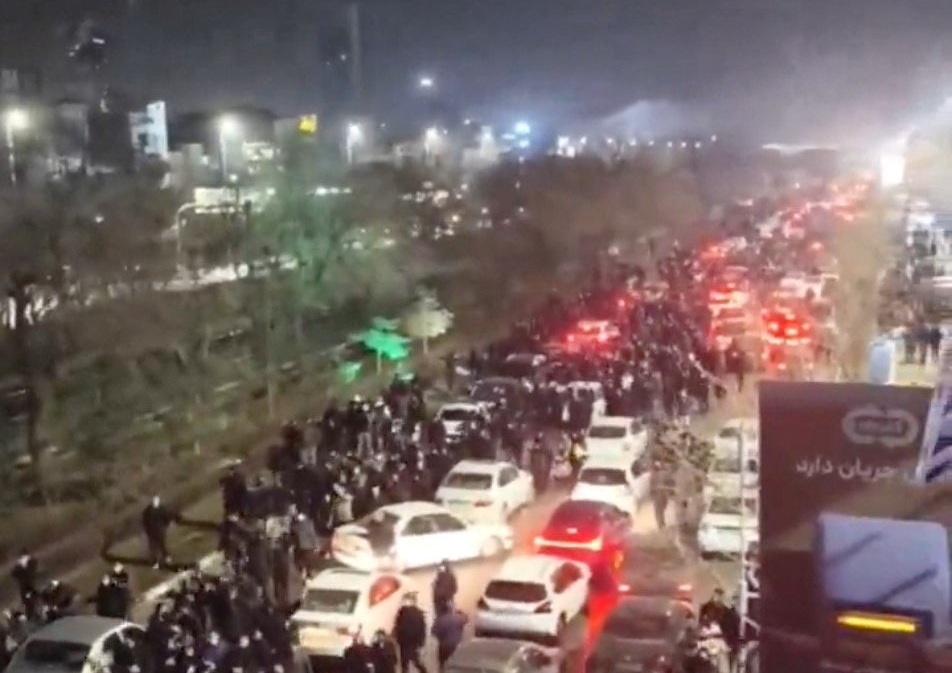
The Iranian regime’s response has been swift and brutal. Security forces, including the Islamic Revolutionary Guard Corps (IRGC) and Basij militias, have deployed live ammunition, pellet guns, and tear gas against crowds. Reports from human rights organizations indicate a sharp rise in casualties: the U.S.-based Human Rights Activists News Agency (HRANA) estimates at least 116 deaths overall, including protesters and some security personnel, with many killed by close-range gunfire. Other monitors, such as Iran Human Rights and Iran International, have reported figures exceeding 190-2,000 in the most intense crackdown phases, particularly after a nationwide internet blackout imposed on January 8, 2026, which severely limited information flow and made independent verification challenging.
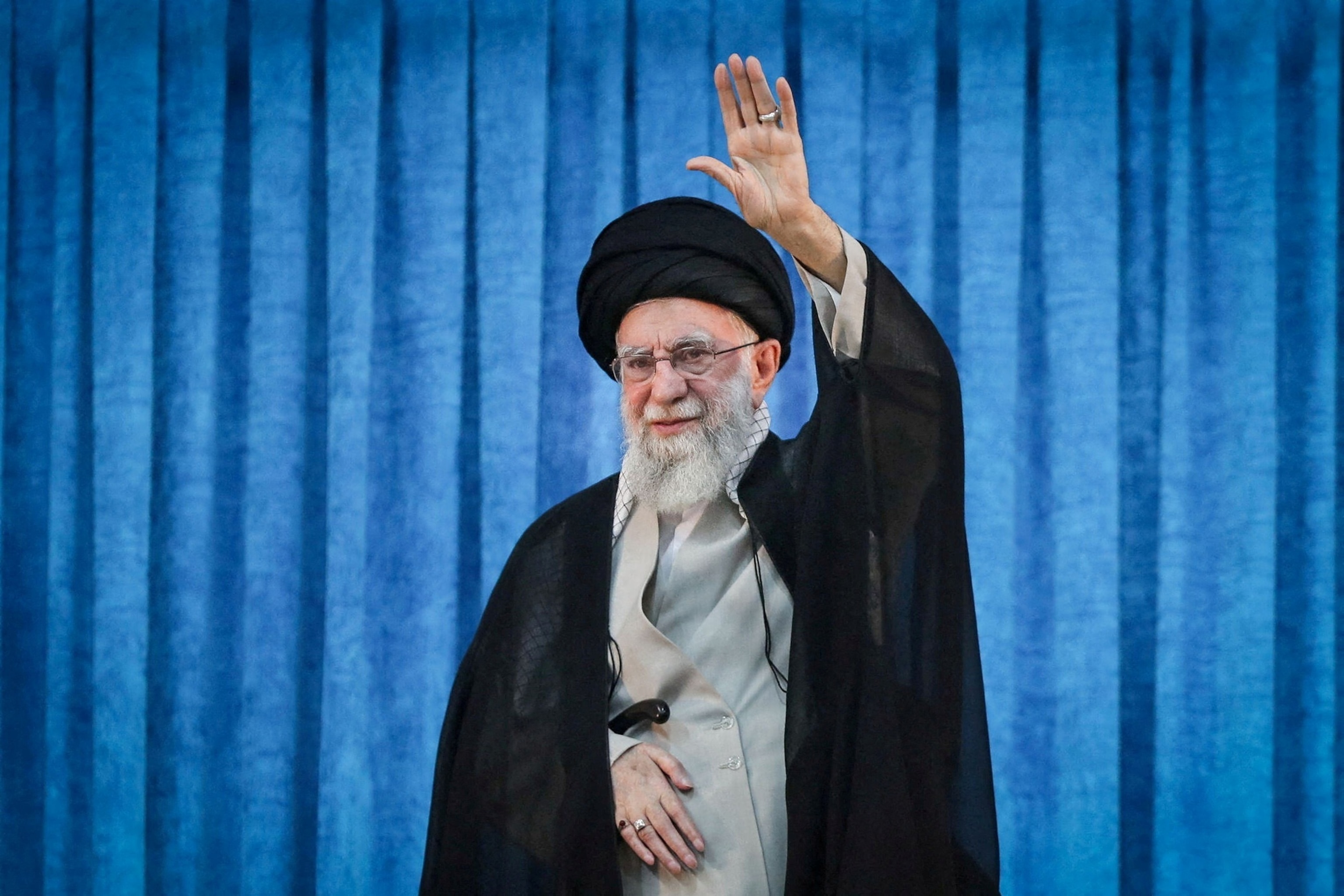
Videos smuggled out—often via satellite services like Starlink—show chaotic scenes: burning vehicles, damaged regime buildings, crowds overwhelming security lines in some areas, and hospitals overwhelmed with injured demonstrators suffering gunshot wounds and beatings. In Tehran, protesters have gathered in squares like Punak and Heravi, setting fires and clashing with forces late into the night. Authorities have labeled demonstrators as “saboteurs,” “vandals,” and even “terrorists,” justifying an intensified military-style response. Supreme Leader Ayatollah Ali Khamenei has vowed that the regime “will not back down,” blaming external enemies—particularly the United States and Israel—for instigating the unrest.


President Trump’s involvement has added a volatile international dimension. Early in the crisis, on January 2, 2026, he posted on Truth Social that if Iran “violently kills peaceful protesters… the United States of America will come to their rescue,” adding that the U.S. was “locked and loaded and ready to go.” He has reiterated this stance multiple times, including in press interactions aboard Air Force One and meetings with advisers. In one recent comment, Trump stated, “Iran’s in big trouble. It looks to me that the people are taking over certain cities that nobody thought were really possible just a few weeks ago. We’re watching the situation very carefully.” He has suggested potential military strikes “hitting them very hard where it hurts,” without specifying boots on the ground, and mentioned options like bolstering internet access via satellites or new sanctions.
Iranian officials have reacted fiercely, with Foreign Minister Abbas Araghchi calling Trump’s threats “reckless and dangerous,” and senior adviser Ali Larijani warning that U.S. intervention would make American troops and regional bases legitimate targets. The regime accuses Washington and Israel of orchestrating the protests, a narrative used in past unrest to delegitimize dissent.
The protests have disrupted daily life profoundly: bank runs at major institutions like Bank Melli, flight cancellations by international airlines due to security concerns, and widespread arrests numbering in the thousands. The internet shutdown—intended to curb coordination and footage sharing—has instead amplified global outrage, with calls from the United Nations, Human Rights Watch, Amnesty International, and European leaders for restraint and restored connectivity.
As the demonstrations enter their third week, the situation remains fluid and highly dangerous. The regime’s survival instincts appear strong, bolstered by its security apparatus, but the scale of economic desperation and geographic spread of protests pose unprecedented challenges. Trump’s warnings have energized some opposition voices abroad while heightening fears of regional escalation. Whether this marks the beginning of a transformative shift in Iran or another suppressed wave remains uncertain, but the stakes—for Iranians demanding freedom and for global powers watching closely—are extraordinarily high.


Leave a Reply