
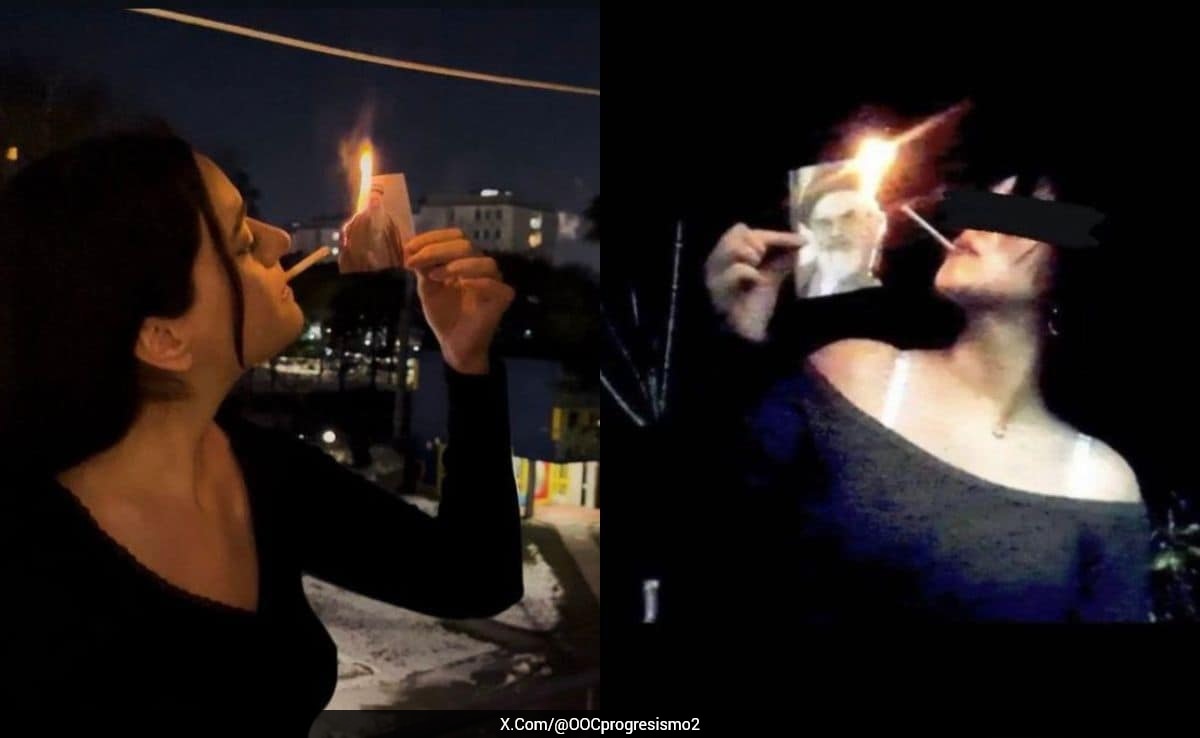
Amid the escalating nationwide protests gripping Iran in early 2026, a striking and highly symbolic act of defiance has captured global attention: Iranian women are publicly lighting cigarettes from the flames of burning photographs of Supreme Leader Ayatollah Ali Khamenei. This viral trend has become one of the most potent visual metaphors of the current uprising, blending personal rebellion against strict social controls with overt political rejection of the regime’s authority.
The images and short videos—often shared anonymously on platforms like X (formerly Twitter), Instagram, and Telegram despite severe internet restrictions—show young women, many with uncovered hair in direct violation of mandatory hijab laws, calmly setting fire to printed portraits of the 86-year-old supreme leader. They then use the resulting flame to ignite a cigarette, inhaling deeply as the photo curls into ash. The act is deliberate, unhurried, and charged with meaning.
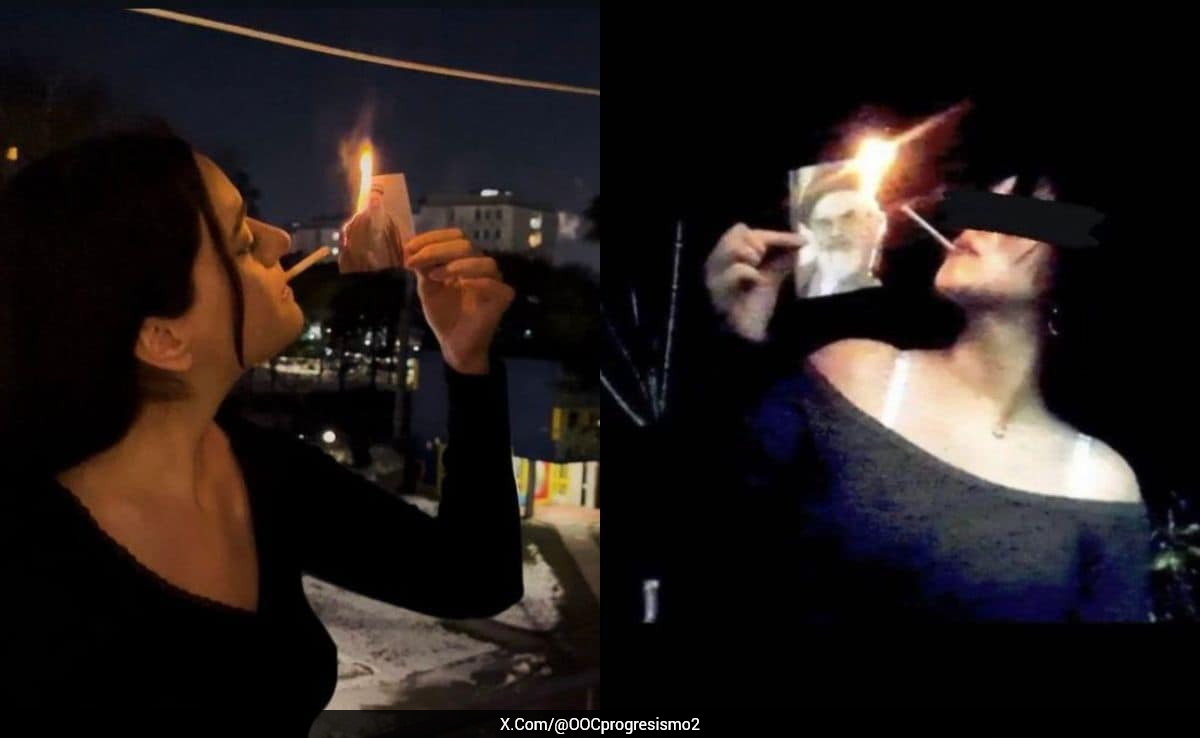
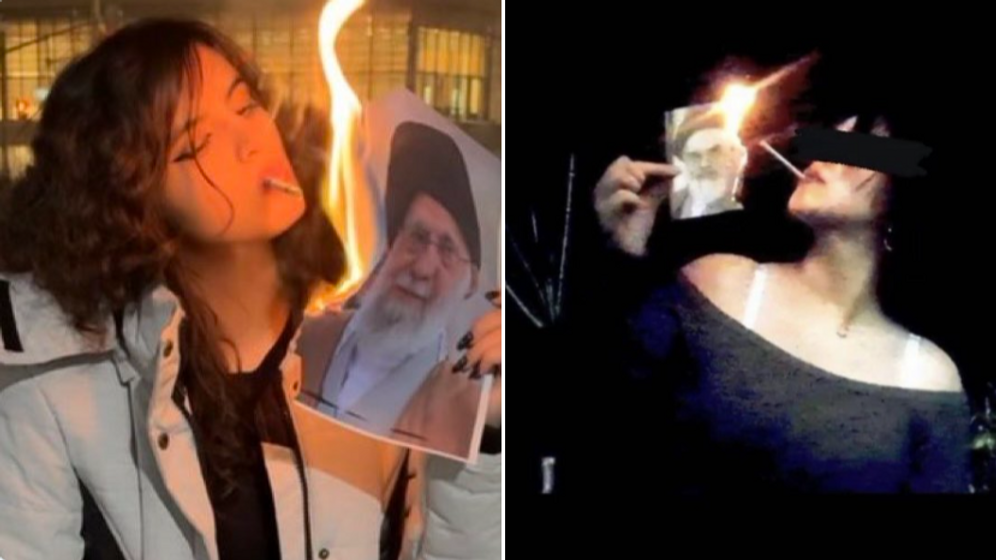

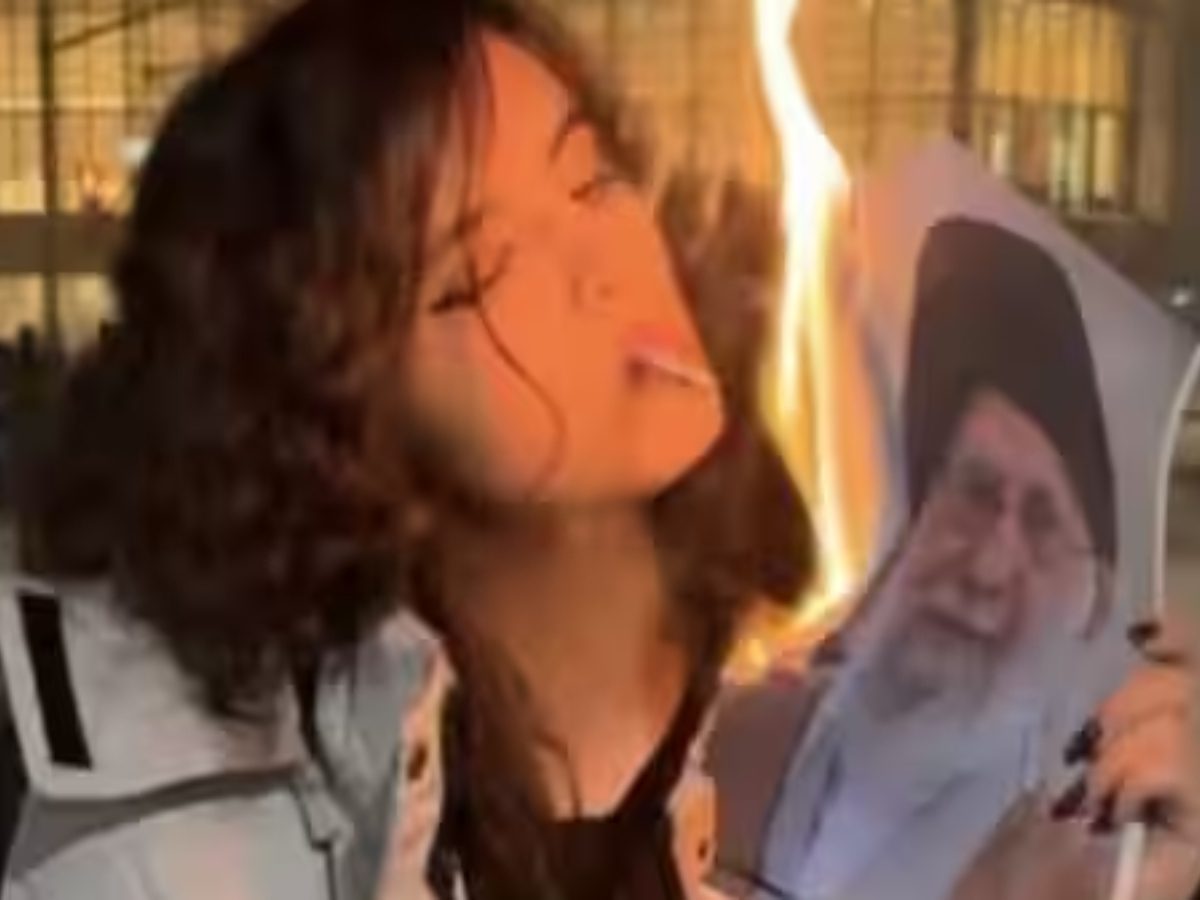
Why this specific gesture? In Iran’s theocratic system, several taboos converge in this single moment. Smoking in public, especially for women, has long been stigmatized and socially discouraged under the Islamic Republic’s moral policing framework—though not strictly illegal, it invites harassment, fines, or worse from authorities enforcing “proper” female behavior. Burning an image of the Supreme Leader is far more severe: it constitutes a criminal offense punishable by imprisonment or, in extreme interpretations, harsher penalties, as the leader holds near-divine status in official ideology.
By combining the two—desecrating Khamenei’s likeness to indulge in a “forbidden” personal freedom—protesters deliver a multi-layered message: rejection of both political tyranny and patriarchal control over women’s bodies and choices. Many participants appear without hijabs, further amplifying the defiance and linking the act to the enduring “Woman, Life, Freedom” movement sparked by Mahsa Amini’s death in 2022.
The trend emerged prominently around January 9-10, 2026, as protests—now in their third week—intensified following economic collapse. The rial has plunged to record lows (with reports of $1 equaling over 1,400,000 rials in black-market trades), inflation on essentials exceeds 40-70%, and widespread shortages of electricity, water, and fuel have fueled rage. What began with bazaar strikes and economic complaints in late December 2025 quickly morphed into calls for regime change, with chants of “Death to the Dictator,” “Death to Khamenei,” and support for exiled Crown Prince Reza Pahlavi echoing in cities from Tehran to Tabriz, Mashhad, Isfahan, and Shiraz.
Human rights monitors report brutal suppression: security forces, including the IRGC and Basij, have used live ammunition, resulting in hundreds of deaths (estimates vary from 200+ documented by groups like HRANA to potentially far higher). Thousands have been arrested, hospitals treat numerous gunshot wounds, and a near-total internet blackout since early January has hampered verification while amplifying international outrage.

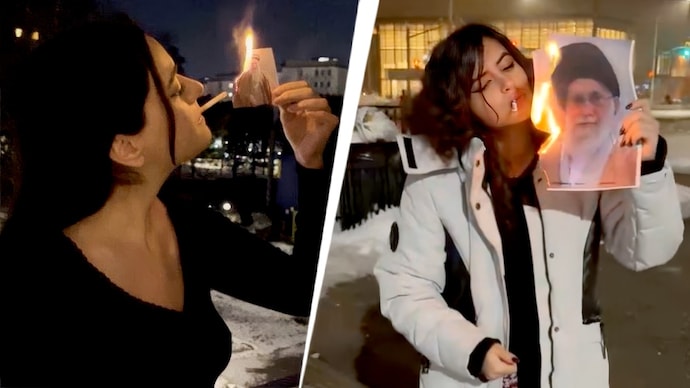
Unlike mass street clashes that security can more easily disperse, this cigarette-lighting ritual thrives digitally. Short clips spread virally abroad, evading some domestic censorship via VPNs, satellite links like Starlink, or smuggled footage. Analysts note it represents a shift toward “low-risk, high-impact” symbolism: individuals can perform it privately or semi-publicly, record it discreetly, and let the internet do the rest. It echoes earlier creative protests—burning hijabs, hair-cutting in 2022—but adds a layer of casual irreverence, treating the supreme leader’s image as mere kindling for a personal vice.
Social media reactions have been electric. Posts describe the women as “icons of resistance,” with one viral clip garnering millions of views. Exiled opposition figures, including Reza Pahlavi, have praised the courage, while regime mouthpieces label it “satanic” or foreign-orchestrated. U.S. President Donald Trump, monitoring closely, has reiterated warnings that the U.S. is “watching very carefully” and could intervene if killings continue.
The regime’s response remains ferocious. Supreme Leader Khamenei has branded demonstrators “vandals” and “saboteurs” serving foreign powers, particularly the U.S. and Israel. The Revolutionary Guards warn that protecting security is a “red line.” Yet cracks appear: pot-banging “acoustic protests” from balconies, boycotts, and growing defections in sentiment suggest erosion of fear.
As of January 12, 2026, the uprising shows no signs of abating. Economic despair, regional setbacks (including the fall of Assad in Syria), and generational frustration fuel momentum. The cigarette-lighting images—defiant, intimate, and unapologetic—encapsulate a broader demand: not mere reform, but an end to a system that polices both the soul of the nation and the bodies of its women.
Whether this sparks irreversible change or faces another bloody suppression remains uncertain. But these photos and videos ensure the world cannot look away.


Leave a Reply